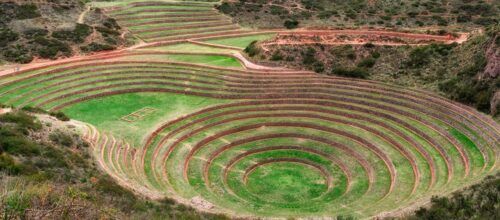
Waqrapukara Day Trek, (in Quechua, Waqrapucara, from waqra, ‘horn’ and pukara, ‘fortress’; ‘horn-shaped fortress’) is an Inca archaeological site located in the rural community of Huayqui, an annex of Percca, in the district of Acos, in the province of Acomayo, Cusco Department. It is situated near the Apurímac River at an altitude of 4,300 meters. It was built by the Canchis people and later conquered by the Incas. In July 2017, it was declared a National Cultural Heritage Site by the Ministry of Culture.
The structure is believed to have been an Inca military and Ceremonial center. The building is situated on terraces, plazas, and a stone forest. Waqrapucara consists of a rocky spur, where two groups of enclosures are separated by a large central space. The enclosures feature passageways, doorways with double jambs, and niches of both functional and ornamental character. And in the lower part it consists of terraces that adapt to the topography of the land, it also has two enclosures with double jamb openings, niches of fine finish.

Overview
Quick Facts
- Altitude: 4,300 meters (14,107 feet).
- Difficulty: Moderate to Challenging (mostly due to altitude, not technicality).
- Distance: Varies by route, but typically 8–15 km (5–9 miles) round trip.
- Best Time to Visit: The dry season (April to October) offers clear blue skies and the best trail conditions.
Getting There: The Routes – Waqrapukara Day Trek.
Most treks depart from Cusco between 3:00 AM and 4:30 AM. There are three primary ways to reach the site:
| Route | Distance | Difficulty | Vibe |
| Via Sangarará | 8 km round trip | Moderate | The most popular and accessible day-trip route. |
| Via Santa Lucía | 4 km round trip | Easier | Shortest hiking time, but involves a longer, bumpier drive. |
| Via Huayqui | 15 km round trip | Hard | A longer, scenic path often used for 2-day camping treks. |
What to Expect
The site itself is a double-horned rock formation perched over the Apurímac Canyon. It predates the Incas (built by the Qanchi culture) but was later expanded by the Inca Empire.
- The Ruins: You’ll find ceremonial altars, enclosures with triple-bolted doors (signifying high status), and intricate stone masonry.
- The Views: Dramatic 360-degree views of the canyon and the winding Apurímac River below.
- The Crowd: Unlike other sites, you might have the entire place to yourself or share it with only a handful of others.
Tips for the Waqrapukara Day Trek.
- Acclimatize: Do not make this your first hike. Spend at least 2–3 days in Cusco first to avoid altitude sickness.
- Layer Up: The weather at 4,300m is unpredictable. It can be freezing at dawn, scorching at noon, and windy at the summit.
- Go Private or Group: While you can take a colectivo to Acomayo and hire a taxi, most travelers prefer a guided day tour (approx. $.50–$.120 US) which includes transport and meals.
- Camping: If you have time, camping at the base of the ruins is free and offers an incredible view of the stars.
Note: There are very few facilities at the site. Bring plenty of water, snacks, and your own toilet paper!
Itinerary
WAQRAPUKARA DAY TREK.
The tour begins with a 4:00 am hotel pick-up. We’ll then head to the town of Cusipata, where we’ll have breakfast and a short rest. Afterward, we’ll continue our journey, arriving at the Chuquicahuana Bridge. From there, we’ll take the road to Acomayo, passing by Pomacanchi Lagoon along the way. Continuing on, we’ll reach Sangarara / santa lucia, and then proceed to the community of La Rinconada, where we’ll begin our hike to Waqrapukara.
During this hike, we’ll appreciate the diverse flora and fauna typical of the area until we reach our destination, Waqrapukara Trek. There, we’ll enjoy a guided tour, visiting the following sites: Intipunku (“Sun Gate”), the main plaza, the watchtowers, the agricultural terraces, and the Wiracocha shrine. After visiting Waqrapucara, we’ll begin our return journey back to Cusipata, where we’ll have lunch before returning to Cusco, arriving at approximately 6:00 pm.
Recommendation: Waqrapukara Day Trek.
- Acclimate in Cusco (3,400 m / 11,200 ft): Spend at least 2 days before the trek to avoid altitude sickness.
- Prep Gear: Warm layers, waterproof jacket, hiking boots, gloves, sunglasses, snacks, coca leaves/candy, water, and sunscreen.
- Book Tour: Choose a reputable tour operator (private or group). Confirm early pickup, breakfast/lunch included, oxygen availability.
- Go with a Guide or Tour: I do not recommend doing this tour on your own unless you have a lot of experience in hiking.
- Weather varies: Rain, or fog can obscure the mountain—check forecasts but know it’s unpredictable.
Inclusions
SERVICES INCLUDED:
- Hotel pick-up
- Tourist Transportation
- Bilingual Tour Guide
- Meals: Breakfast + Lunch.
- Entrance fee
- First aid kit
- Oxygen tank
NOT INCLUDED:
- Extra Expenses
- Additional costs.
- Tips.
Should Bring
WE RECOMMEND YOU BRING:
- A small backpack
- Thermal clothing
- Hiking shoes
- Sun hat
- Warm jacket
- Gloves, hat, and scarf
- Sunscreen
- Rain jacket/poncho (for safety)
Acomodation

Our Best Transportation
We are a legal and certified company. We have the best and most modern tourist transport units to carry out our different tourist circuits and to satisfy our clients with the necessary comfort.
Price
Price: Season 2026
Shared Service:
- Price per person U$. 50.00
- The approximate group is 15 people
Private & Personalized Service:
- Price per person U$ .150
- Minimum people 02 people.
Payment method