
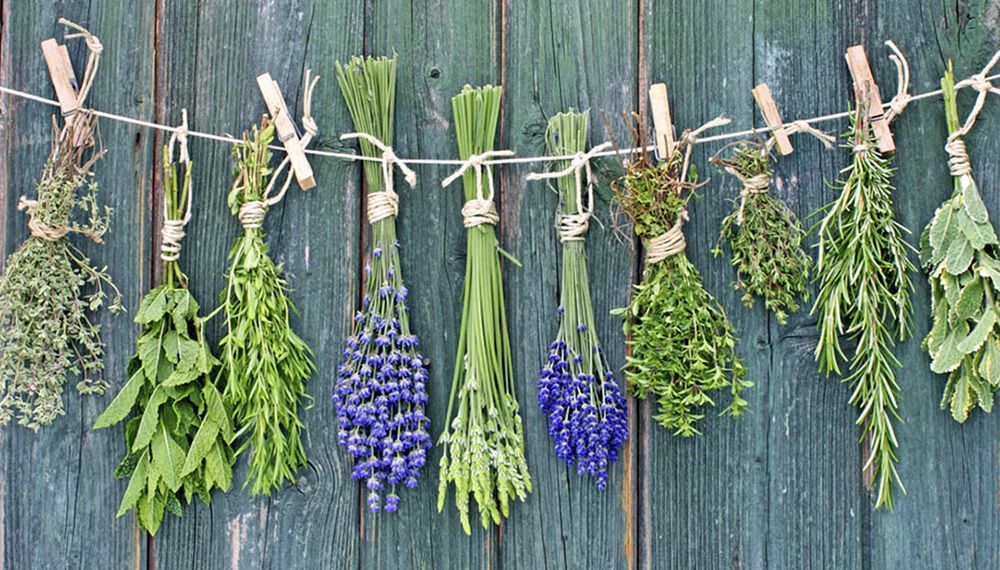
Aromatic Herbs: The Inca culture deeply intertwined with the natural world, and people relied on aromatic herbs for every activity. They used these herbs to prepare spices and daily medicine, and they performed sacred rituals in cities and places of great religious significance, such as the Inca city of Machu Picchu, the Koricancha, and the Salkantay Mountain. In Quechua, many of these plants still hold the name hampi, meaning medicine.
In its simplest form, an aromatic herb is a plant that people value for its potent fragrance and flavor, which comes from the high concentration of essential oils that these plants store in their leaves, stems, or flowers.
While “herb” is a broad botanical category, the concept of an aromatic herb focuses specifically on the sensory and chemical impact of the plant.
1. Aromatic Herbs, The Core Characteristics
To consider a plant as an aromatic herb, it typically meets three criteria:
- Volatile Oils: They contain complex compounds (like menthol in mint or thymol in thyme) that are “volatile,” meaning they evaporate easily at room temperature. This is why you can smell them just by brushing past the plant.
- Leaf-Centric: In a culinary context, “herbs” usually refer to the green, leafy parts of the plant. If the flavor comes from the bark (cinnamon), seeds (cumin), or roots (ginger), it is technically classified as a spice.
- Soft Stems: Botanically, most herbs are “herbaceous,” meaning they have soft, green stems rather than woody ones (though there are exceptions like Rosemary).
2. How the Scent is Released
The aroma is a defense mechanism. Plants produce these oils to repel insects, prevent mold, or attract pollinators. When you crush, chop, or heat a leaf, you rupture the glandular trichomes (tiny storage sacs), releasing the scent and flavor.
- Fresh: Best for delicate herbs (cilantro, parsley) where the oils are light and dissipate quickly.
- Dried: It is ideal for ‘tough’ herbs (such as oregano and rosemary), Whose cell walls must be broken by heat to release the concentrated oils.
3. The “Aromatic” Spectrum, Aromatic Herbs.
Aromatics are generally grouped by their dominant scent profile:
Common Compounds
- Mentholated: Mint, Spearmint, Muña
- Menthol Floral: Lavender, Chamomile Linalool
- Earthy/Woody: Rosemary, Sage, Thyme Camphor, Pinene
- Citric: Lemongrass, Lemon Verbena
- Citral, Limonene Anise/Licorice Basil, Tarragon, Fennel Anethole
4. Culinary and Fragrant Herbs
People primarily used these herbs to season food, such as Pachamanca or stews, and to create pleasant scents in their living spaces.
- Huacatay (Peruvian Black Mint): Perhaps the most iconic Andean herb. It has a pungent, citrusy-mint aroma. The Incas used it to season meats and tubers.
- Muña (Andean Mint): A woody, aromatic shrub with a scent similar to peppermint but with earthy undertones. People used it as a digestive aid after heavy meals and as a means to preserve stored potatoes by repelling insects.
- Paico (Epazote): Used sparingly for its strong, medicinal scent. It was often added to bean dishes to prevent flatulence.
- Chincho: A relative of Huacatay but with a more delicate, floral aroma. It remains a key ingredient in traditional roast dishes.
5. Sacred and Ritual Plants
People frequently burned aromatic plants as incense and offered them to the Apus (mountain spirits) and Pachamama (Mother Earth).
- Coca Leaves: While not a “herb” in the culinary sense, it was the most sacred plant. It has a mild, tea-like aroma when dried. It was used to divine the future and offered in “kintus” (bundles of three leaves).
- Molle (Pink Peppercorn): The leaves and berries of the Molle tree are highly aromatic. The Incas used the berries to make a fermented drink (Chicha de Molle) and burned the wood and leaves for their purifying scent.
- Palo Santo: The Incas traded and used the wood from dry forests for its intense, sweet, resinous smoke during spiritual cleansing ceremonies.
6. Aromatic Herbs – Medicinal Uses.
The Incas were master herbalists, using aromatics to treat high-altitude ailments and physical injuries.
| Herb | Primary Use in Inca Times |
| Muña | Relieving altitude sickness (soroche) and stomach pain. |
| Salvia (Sage) | Used as an anti-inflammatory for muscle and joint pain. |
| Wira Wira | A “silvery” aromatic herb used to treat respiratory issues and coughs. |
| Matico | Known as the “soldier’s herb” for its ability to stop bleeding and heal wounds. |
Fun Fact: The “Inca Toothbrush”
The Incas would sometimes chew on the roots of certain aromatic plants or use the bark of the Molle tree to clean their teeth and freshen their breath, taking advantage of the plant’s natural antibacterial properties.