
the best adventure hikes in Cusco, Peru, a destination where spectacular Andean mountains, turquoise glacial lakes, ancient Inca trails, colorful landscapes, and fascinating archaeological sites create some of the most unforgettable trekking experiences in South America…
From the world-famous Inca Trail to the challenging Ausangate Trek, the breathtaking Salkantay Trek, and the colorful Rainbow Mountain, Cusco offers hiking adventures for every type of traveler.
Whether you are an experienced trekker looking for a challenging mountain expedition or an adventure enthusiast wanting to explore the Andes for the first time, this guide introduces the best hikes in Cusco, including difficulty levels, highlights, altitude, duration, and the best time to visit.
1. Why is Cusco one of the best destinations for adventure hiking?
Cusco is located in the Peruvian Andes and offers an extraordinary variety of trekking routes. Its geography includes snow-capped mountains, deep valleys, glacial lakes, high-altitude plains, tropical cloud forests, and ancient archaeological sites.
What makes hiking in Cusco special is the combination of natural beauty and Inca heritage. Many routes follow ancient pathways that once connected important settlements, ceremonial centers, and agricultural communities.
Reasons to go hiking in Cusco:
- Explore spectacular Andean mountain scenery.
- Discover ancient Inca roads and archaeological complexes.
- Visit turquoise glacial lakes and colorful mountains.
- Experience traditional Quechua communities.
- Observe alpacas, llamas, condors, and native Andean wildlife.
- Enjoy multi-day camping adventures in remote landscapes.
- Reach Machu Picchu through spectacular trekking routes.
2. The best adventure hikes in Cusco
Here are some of the most spectacular hiking experiences in the Cusco region, from iconic routes to less-traveled adventures.
1. Inca Trail to Machu Picchu – The most iconic hike
Best for history and adventure
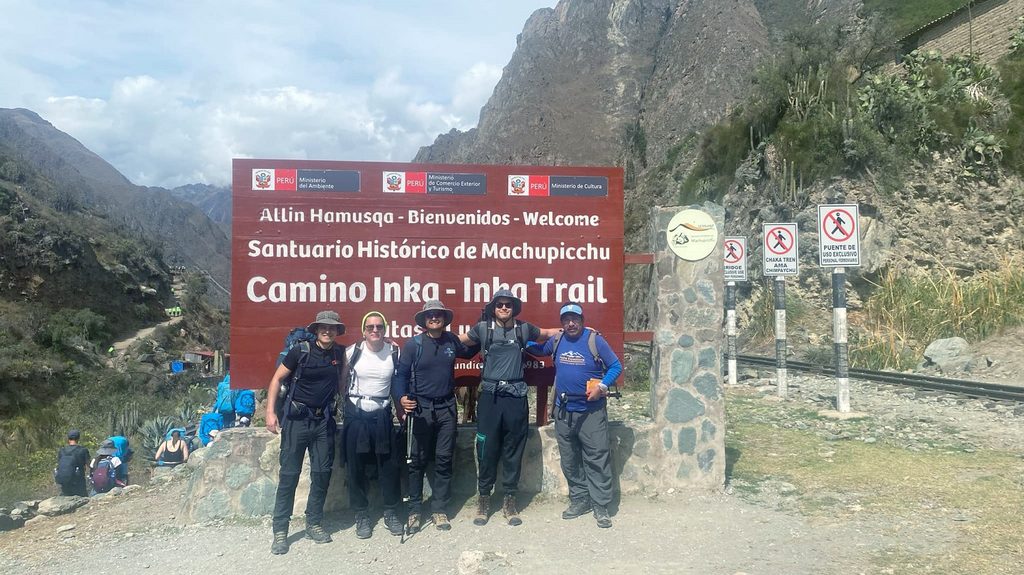
The Inca Trail is one of the most famous hiking routes in the world. This legendary journey follows original Inca stone pathways through mountain passes, cloud forests, and impressive archaeological sites before reaching Machu Picchu.
The classic trek takes four days and three nights, covering approximately 42 kilometers, depending on the route measurements.
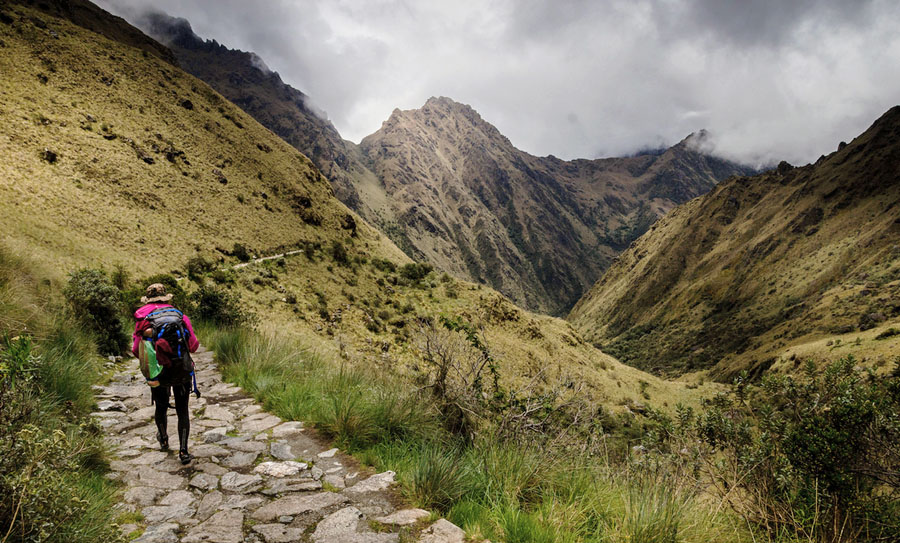
Main highlights:
- Llactapata archaeological site.
- Dead Woman’s Pass (Warmiwañusqa), approximately 4,215 m.
- Runkurakay archaeological complex.
- Sayacmarca and Phuyupatamarca.
- Wiñay Wayna archaeological site.
- Inti Punku (Sun Gate).
- Machu Picchu.
Practical information
| Feature | Details |
|---|---|
| Duration | 4 days / 3 nights |
| Maximum altitude | 4,215 m |
| Difficulty | Challenging |
| Starting point | Km 82 |
| Destination | Machu Picchu |
| Permit | Required |
The reward is arriving at Machu Picchu through the Sun Gate, following the same historic mountain corridor used by the Incas.
Travel tip: Inca Trail permits are limited, so book through an authorized operator well in advance. The trail closes every February for maintenance.
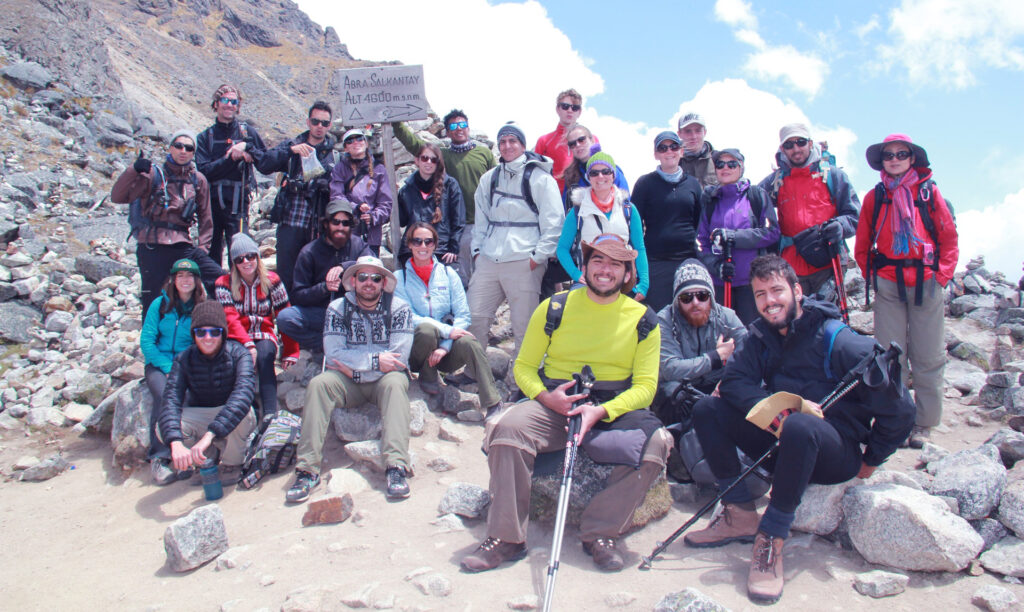
2. Salkantay Trek – The ultimate mountain adventure
Best for dramatic landscapes
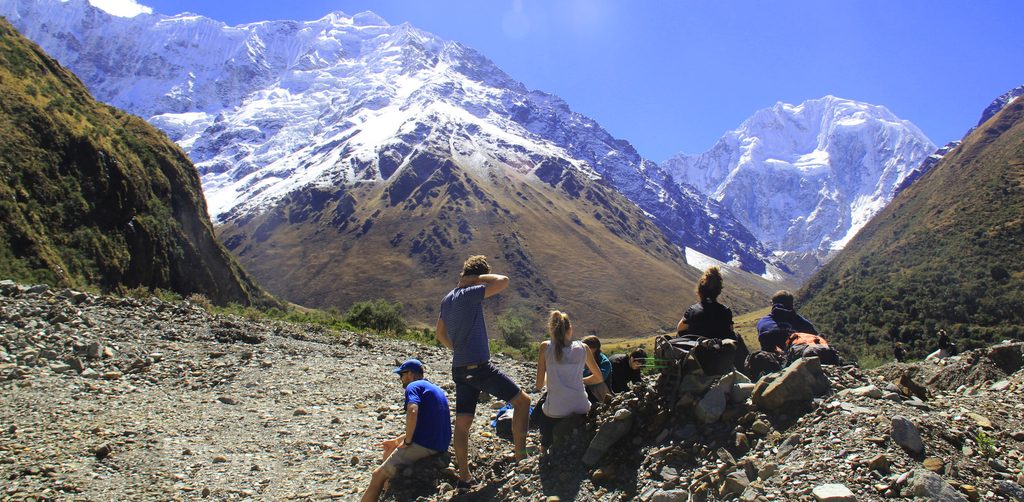
The Salkantay Trek is one of the most spectacular alternatives to the traditional Inca Trail. It takes hikers through impressive mountain scenery, glacial lakes, high-altitude passes, and lush tropical valleys.
The route is dominated by the magnificent Salkantay Mountain, rising to approximately 6,271 meters.
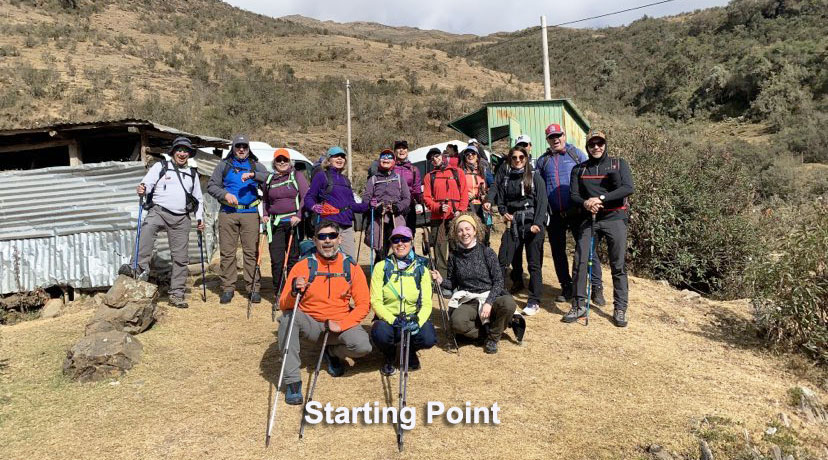
Main highlights:
- Mollepata and Challacancha.
- Soraypampa campsite.
- Humantay Lake (approximately 4,200 m).
- Salkantay Pass (approximately 4,630 m).
- Huayracmachay.
- Chaullay and the cloud forest.
- Lucmabamba coffee plantations.
- Llactapata archaeological site.
- Aguas Calientes and Machu Picchu.
Practical information
| Feature | Details |
|---|---|
| Duration | 4–5 days |
| Maximum trekking altitude | 4,630 m |
| Difficulty | Challenging |
| Starting point | Mollepata / Soraypampa |
| Destination | Machu Picchu |
| Permit | No Inca Trail permit required |
Salkantay is ideal for travelers who want to experience the dramatic contrasts of the Andes, moving from snowy mountain environments to warm subtropical forests.
3. Ausangate Trek – The spectacular high-altitude expedition
Best for experienced trekkers
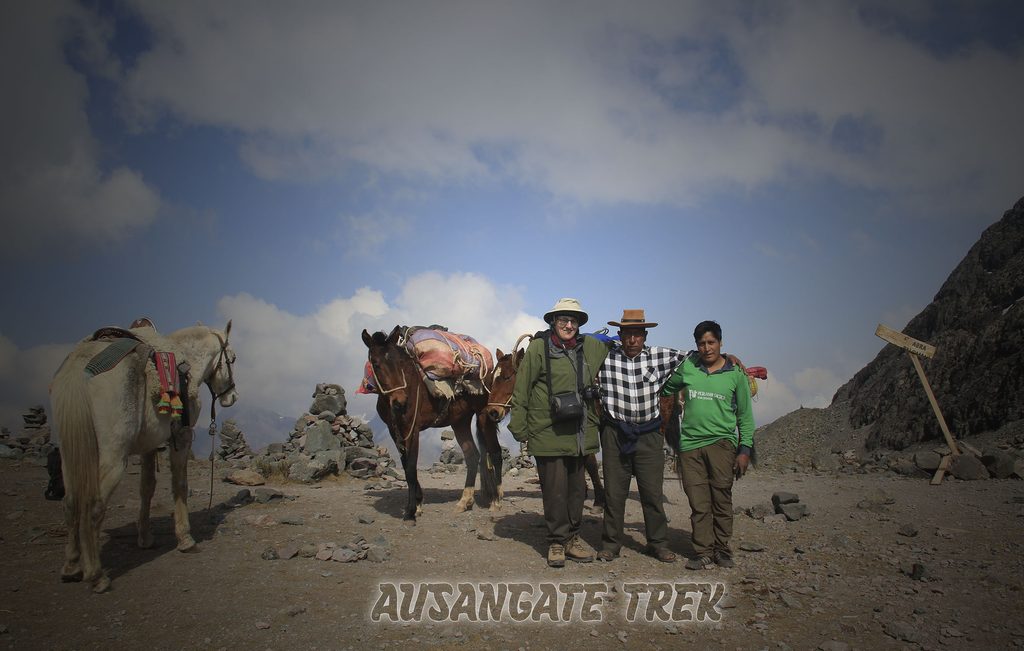
The Ausangate Trek is one of the most extraordinary wilderness adventures in the Peruvian Andes.
Located southeast of Cusco, this remote trekking circuit surrounds the impressive Ausangate Mountain, a sacred mountain known as an important Apu in Andean culture.
The route offers spectacular views of glaciers, turquoise lakes, colorful mountains, and traditional Andean communities.
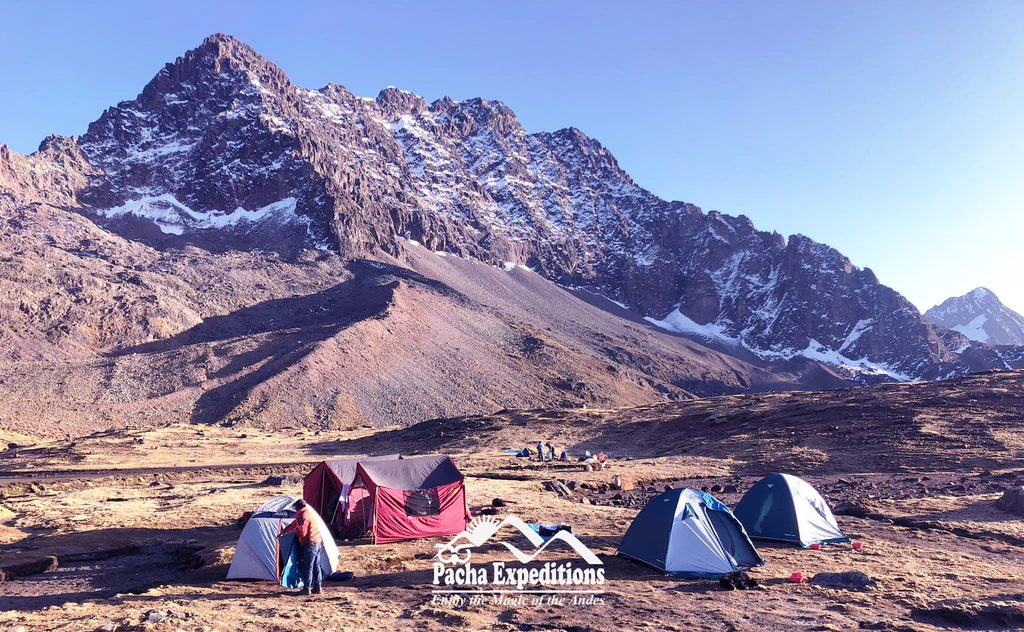
Main highlights:
- Pacchanta community.
- Seven Lakes of Ausangate.
- Pucacocha and Ausangatecocha.
- High mountain passes.
- Red Valley landscapes.
- Snow-covered Ausangate peaks.
- Alpacas and llamas grazing in the highlands.
Practical information
| Feature | Details |
|---|---|
| Duration | 4–6 days |
| Maximum altitude | Above 5,000 m, depending on route |
| Difficulty | Very challenging |
| Starting point | Pacchanta or Tinki |
| Destination | Ausangate circuit |
| Permit | Local access arrangements may apply |
Ausangate is particularly recommended for experienced hikers who want to escape crowded tourist destinations and explore the remote beauty of the Andes.
4. Rainbow Mountain (Vinicunca) – The colorful mountain adventure.
Best one-day mountain hike
Rainbow Mountain is one of Peru’s most photographed natural attractions. Its extraordinary mineral-colored geological formations create impressive stripes of red, yellow, green, and turquoise.
Located in the Ausangate region, this destination offers a challenging high-altitude hiking experience with incredible views of the surrounding Andes.
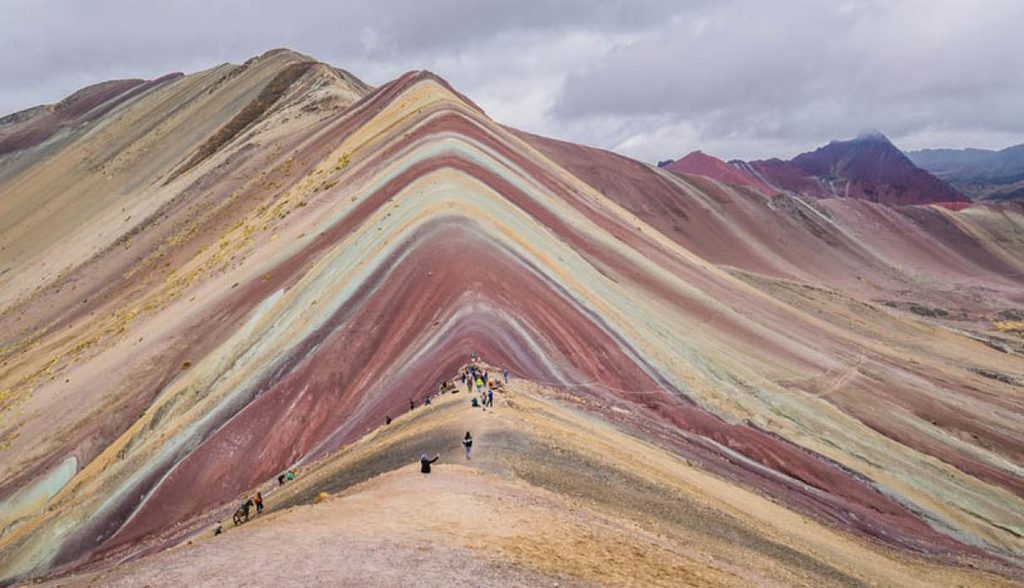
Main highlights:
- Multicolored geological formations.
- Panoramic views of Ausangate Mountain.
- Andean valleys and snow-covered peaks.
- Local communities and traditional landscapes.
- Opportunities for wildlife photography.
Practical information
| Feature | Details |
|---|---|
| Duration | Full day |
| Maximum altitude | Approximately 5,020 m |
| Difficulty | Moderate to challenging |
| Starting point | Cusipata / trailhead area |
| Hiking time | Approximately 1.5–2 hours each way, depending on route |
Travel tip: The altitude is the main challenge. Spend a few days acclimatizing in Cusco before attempting this hike.
5. Humantay Lake – The turquoise glacial lake
Humantay Lake is one of the most beautiful natural attractions near Cusco. Surrounded by snow-covered mountains, this stunning glacial lake is famous for its brilliant turquoise water.
The hike begins in Soraypampa and climbs through an impressive mountain landscape until reaching the lake.
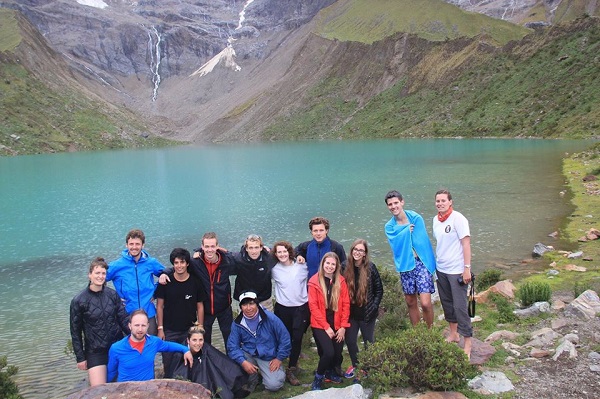
Main highlights:
- Turquoise glacial waters.
- Humantay and Salkantay mountain views.
- Andean flora and mountain scenery.
- Photography opportunities.
- Traditional Andean offerings and cultural connections.
Practical information
| Feature | Details |
|---|---|
| Duration | Full day |
| Altitude | Approximately 4,200 m |
| Difficulty | Moderate to challenging |
| Starting point | Soraypampa |
| Hiking time | 1.5–2 hours uphill |
Humantay Lake is an excellent choice for travelers who want a memorable mountain experience without committing to a multi-day trek..
6. Lares Trek – Culture, nature, and traditional communities
Best cultural hiking experience
The Lares Trek offers a unique opportunity to discover the living traditions of the Peruvian Andes.
Unlike the Inca Trail and Salkantay, which are especially known for their mountain landscapes and routes to Machu Picchu, Lares focuses on traditional Andean life.
During the journey, hikers visit remote villages where local families preserve ancestral weaving techniques, agricultural traditions, and the Quechua language. The best adventure hikes
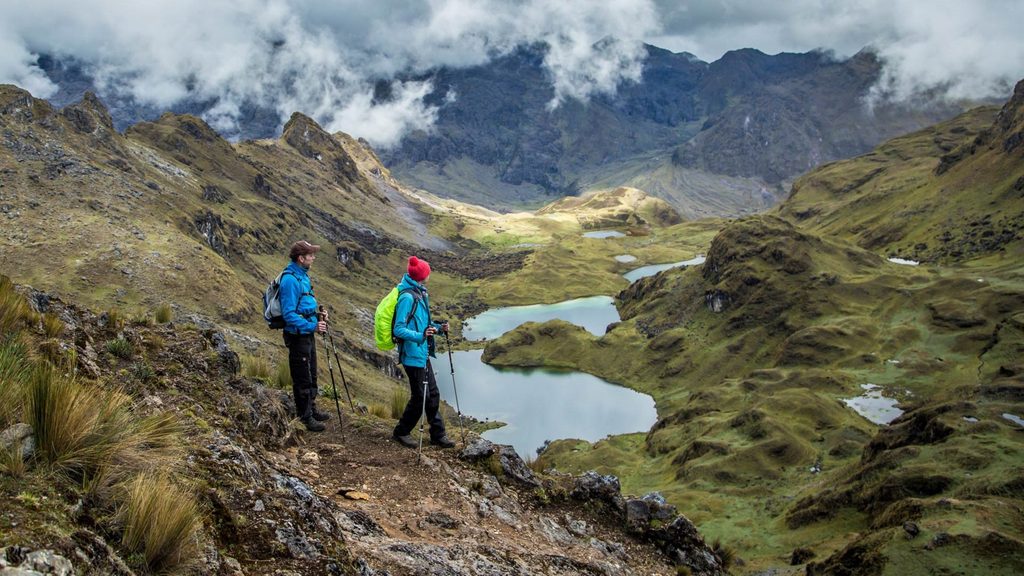
Main highlights:
- Lares hot springs.
- Huacahuasi community.
- Patacancha village.
- Traditional textile weaving.
- Alpacas and llamas.
- High mountain passes.
- Ollantaytambo and Machu Picchu extensions.
Practical information
| Feature | Details |
|---|---|
| Duration | 3–4 days |
| Maximum altitude | Approximately 4,400–4,500 m |
| Difficulty | Moderate to challenging |
| Starting point | Lares |
| Destination | Sacred Valley / Ollantaytambo |
| Permit | No Inca Trail permit required |
Lares is an excellent option for travelers seeking authentic cultural encounters and beautiful Andean landscapes.
7. Choquequirao Trek – The lost city of the Inca
Best for serious adventurers
Choquequirao is one of the most impressive archaeological destinations in Peru and is often called the sister city of Machu Picchu.
Hidden high in the mountains above the Apurímac River canyon, this ancient Inca complex requires a demanding multi-day hike.
The journey includes steep descents, difficult ascents, remote campsites, and spectacular mountain scenery.
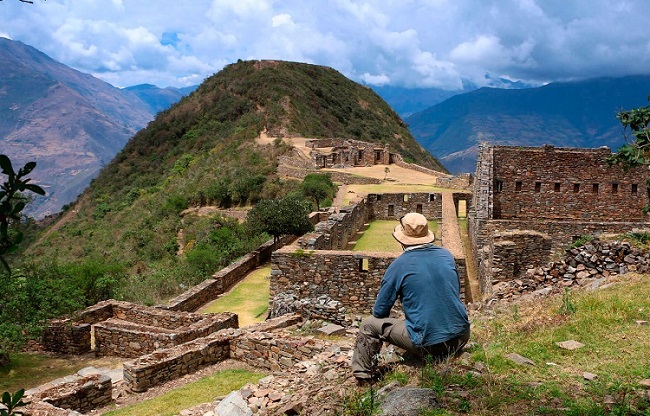
Main highlights:
- Choquequirao archaeological complex.
- Inca agricultural terraces.
- Llama figures on ceremonial terraces.
- Apurímac Canyon.
- Remote Andean landscapes.
- Impressive Inca stone architecture.
Practical information
| Feature | Details |
|---|---|
| Duration | 4–5 days |
| Difficulty | Very challenging |
| Starting point | Cachora / Capuliyoc |
| Destination | Choquequirao |
| Permit | Separate archaeological site entrance arrangements |
This trek is perfect for experienced hikers who want to explore an extraordinary Inca site far from the usual tourist routes.
8. Huchuy Qosqo Trek – The hidden archaeological treasure
Huchuy Qosqo means Little Cusco in Quechua. This archaeological complex is located high above the Sacred Valley and offers beautiful panoramic views of the surrounding mountains.
The hike combines natural scenery with impressive Inca architecture, making it an excellent option for travelers interested in history and adventure.
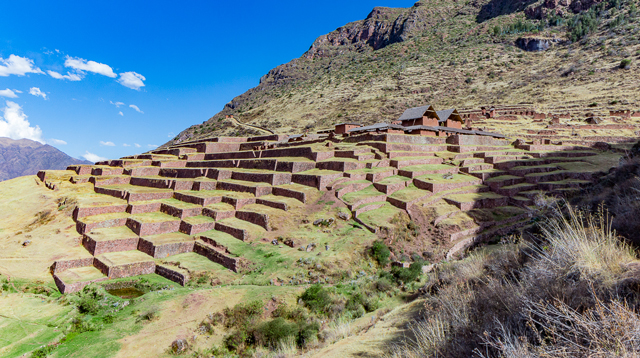
Main highlights:
- Huchuy Qosqo archaeological site.
- Inca terraces and stone structures.
- Mountain passes and open Andean landscapes.
- Panoramic views of the Sacred Valley.
- Traditional communities.
Practical information
| Feature | Details |
|---|---|
| Duration | 1–2 days |
| Maximum altitude | Approximately 4,200 m, depending on route |
| Difficulty | Moderate |
| Starting point | Tambomachay or Tauca, depending on itinerary |
| Destination | Lamay / Sacred Valley |
9. Waqrapukara Trek – The mysterious Inca fortress
Waqrapukara is one of the most fascinating archaeological destinations in the Cusco region.
Its name means Horn Fortress, referring to the distinctive rock formations that dominate the landscape.
The archaeological complex stands above dramatic cliffs and deep canyons, creating an unforgettable setting for an adventure hike.
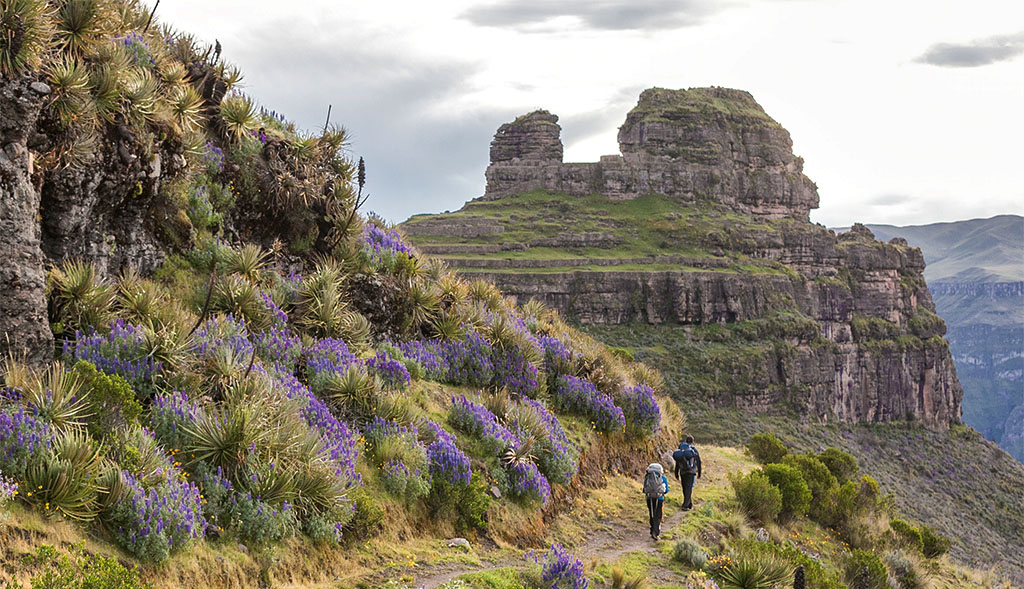
Main highlights:
- Ancient Inca ceremonial structures.
- Impressive stone terraces.
- Natural rock formations.
- Panoramic canyon views.
- Remote Andean landscapes.
Practical information
| Feature | Details |
|---|---|
| Duration | Full day or 2 days |
| Altitude | Above 4,000 m |
| Difficulty | Moderate to challenging |
| Location | Acomayo province |
| Hiking experience | Archaeology and mountain scenery |
10. Palcoyo Rainbow Mountain – A quieter alternative
Palcoyo is a wonderful alternative to the more famous Vinicunca Rainbow Mountain.
This destination features several colorful mountain formations, an impressive stone forest, and spectacular views of the surrounding Andes.
The hike is generally shorter and less demanding than the classic Vinicunca route, although the altitude remains a serious consideration.
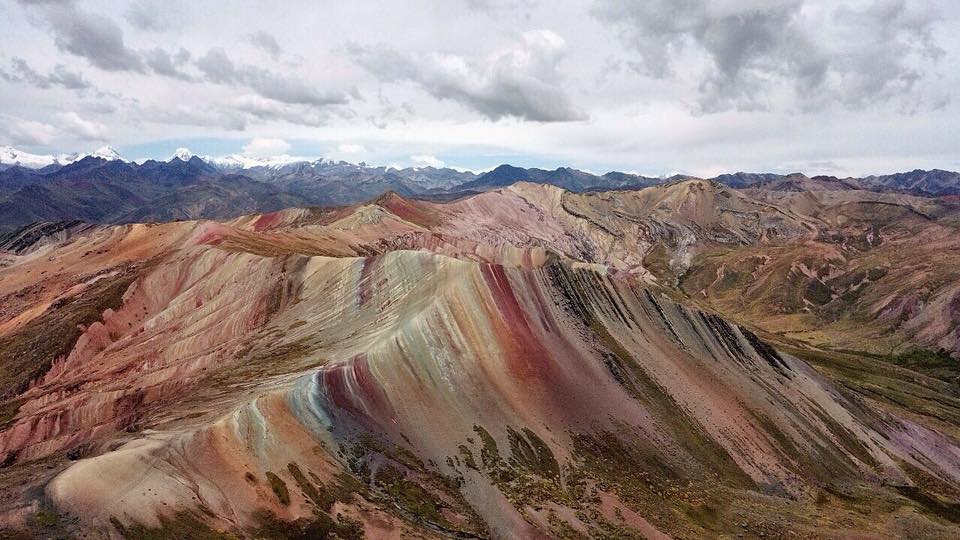
Main highlights:
- Multiple colorful mountain formations.
- Stone forest.
- Ausangate mountain views.
- Wide Andean landscapes.
- Photography opportunities.
Practical information
| Feature | Details |
|---|---|
| Duration | Full day |
| Maximum altitude | Approximately 4,900–5,000 m |
| Difficulty | Moderate |
| Hiking time | Approximately 30–60 minutes each way |
| Location | Canchis province |
3. Map of the best adventure hikes in Cusco
Explore the geographical locations of these trekking destinations throughout the Cusco region.
4. Comparison of the best hiking trails in Cusco
Choosing the right trek depends on your fitness level, available time, interests, and experience with high-altitude hiking.
| Trekking route | Duration | Difficulty | Best for |
|---|---|---|---|
| Inca Trail | 4 days | Challenging | History and Machu Picchu |
| Salkantay Trek | 4–5 days | Challenging | Mountain scenery |
| Ausangate Trek | 4–6 days | Very challenging | Remote wilderness |
| Rainbow Mountain | 1 day | Moderate–challenging | Colorful landscapes |
| Humantay Lake | 1 day | Moderate–challenging | Glacial lake |
| Lares Trek | 3–4 days | Moderate–challenging | Andean culture |
| Choquequirao | 4–5 days | Very challenging | Inca archaeology |
| Huchuy Qosqo | 1–2 days | Moderate | Short cultural trek |
| Waqrapukara | 1–2 days | Moderate–challenging | Archaeology and nature |
| Palcoyo | 1 day | Moderate | Alternative rainbow mountains |
Durations and difficulty levels are approximate and depend on the itinerary, weather, acclimatization, and individual fitness.
5. What is the best time to go hiking in Cusco?
The best time for adventure hiking in Cusco is generally the dry season, from May to September. During these months, travelers usually enjoy clearer skies, better visibility, and more favorable trail conditions.
Dry season: May to September
- Less rainfall and generally stable weather.
- Better mountain visibility.
- Ideal conditions for multi-day trekking.
- Cold temperatures at night, especially at high campsites.
- Popular trekking routes can become busy.
Rainy season: November to March
- More frequent rainfall.
- Green valleys and beautiful vegetation.
- Cloudier mountain views.
- Muddy and slippery trails.
- Greater possibility of weather-related delays.
Best months for trekking
| Month | Conditions | Recommendation |
|---|---|---|
| April | Transition season | Very good |
| May | Dry and clear | Excellent |
| June | Dry and cold | Excellent |
| July | Dry and cold nights | Excellent |
| August | Dry and popular | Excellent |
| September | Generally favorable | Very good |
| October | Transition season | Good |
| November–March | Rainy season | More challenging |
The Inca Trail is closed every February for maintenance. Always check current trail conditions and access restrictions before departure. Perú Travel+2
6. How to prepare for high-altitude hiking in Cusco
Altitude is one of the most important factors to consider when planning an adventure hike in Cusco.
The city of Cusco sits at approximately 3,400 meters above sea level, while some trekking routes reach elevations above 5,000 meters.
High altitude can cause headaches, nausea, fatigue, dizziness, and shortness of breath.
Our recommendations:
- Spend at least two or three days acclimatizing in Cusco before attempting demanding high-altitude hikes.
- Avoid strenuous physical activity immediately after arrival.
- Drink sufficient water throughout the day.
- Eat regular, nutritious meals.
- Avoid excessive alcohol consumption.
- Walk at a comfortable pace and take regular breaks.
- Inform your guide if you experience symptoms of altitude sickness.
If symptoms worsen, stop ascending and seek medical assistance. Severe altitude sickness requires immediate descent and medical evaluation.
7. What should you pack for hiking in Cusco?
Preparing the right trekking equipment will make your adventure safer and more comfortable.
Essential trekking packing list.The best adventure hikes
| Equipment | Purpose |
|---|---|
| Hiking boots | Comfort and foot protection |
| Waterproof jacket | Rain and wind protection |
| Thermal clothing | Cold mountain temperatures |
| Trekking pants | Comfort during long hikes |
| Warm gloves | Protection against cold |
| Sun hat | Sun protection |
| Sunglasses | UV protection |
| Sunscreen | Protection against intense sunlight |
| Trekking poles | Stability on steep trails |
| Reusable water bottle | Hydration |
| Headlamp | Early starts and nighttime |
| Personal medication | Individual medical needs |
| Small backpack | Carrying daily essentials |
| Energy snacks | Maintaining energy |
For multi-day expeditions such as Salkantay, Ausangate, and Choquequirao, additional camping equipment and appropriate sleeping systems are essential.
8. Which adventure hike in Cusco should you choose?
Every trekking route offers a different experience. The best choice depends on what you want to discover.
- For first-time trekkers: Humantay Lake or Huchuy Qosqo.
- For Inca history enthusiasts: Classic Inca Trail.
- For spectacular mountain scenery: Salkantay Trek.
- For experienced hikers: Ausangate Trek or Choquequirao.
- For traditional Andean culture: Lares Trek.
- For colorful landscapes: Vinicunca or Palcoyo.
- For hidden archaeological destinations: Waqrapukara.
- For a combination of nature and adventure: Salkantay Trek to Machu Picchu.
9. Responsible and sustainable trekking in Cusco
The mountains of Cusco are more than beautiful landscapes. They are part of a living cultural heritage, deeply connected to Andean traditions, spirituality, and local communities.
Responsible trekking helps preserve these extraordinary destinations for future generations.
The best Adventure hikes – When exploring the Andes:
- Choose responsible local tour operators.
- Respect local customs and traditions.
- Avoid leaving rubbish along the trails.
- Use reusable water bottles.
- Respect wildlife and natural habitats.
- Follow designated trekking routes.
- Support local communities by purchasing local products and services.
- Respect archaeological sites and protected natural areas.
Travelers can contribute to the conservation of Peru’s cultural and natural heritage by making responsible tourism choices.
10. Frequently Asked Questions About Hiking in Cusco
What is the best hike in Cusco, Peru?
The Classic Inca Trail is the most iconic hike because it combines ancient Inca pathways, archaeological sites, spectacular mountain scenery, and arrival at Machu Picchu. The Salkantay Trek is another excellent option for travelers seeking dramatic mountain landscapes.
How many days do I need for hiking in Cusco?
You can enjoy excellent hiking experiences in one day, such as Humantay Lake, Rainbow Mountain, and Palcoyo. For longer adventures, the Inca Trail, Salkantay, and Lares treks generally require three to five days.
Is hiking in Cusco difficult?
Some hikes are suitable for beginners with reasonable fitness, while others require previous trekking experience. Altitude, steep ascents, weather conditions, and daily walking distances are important factors.
Do I need a guide for hiking in Cusco?
A professional local guide is highly recommended for most mountain adventures. For the regulated Inca Trail, visitors must travel with an authorized trekking operator and guide.
How many days should I acclimatize before trekking?
Ideally, spend two or three days in Cusco before attempting demanding high-altitude treks. More time may be necessary depending on your health, altitude sensitivity, and planned route.
Can I visit Rainbow Mountain without hiking experience?
Yes, but the hike takes place above 5,000 meters. Even travelers with good physical fitness can experience altitude-related difficulties. Proper acclimatization and a comfortable walking pace are essential.
What is the most challenging trek in Cusco?
Ausangate and Choquequirao are among the most demanding trekking experiences in the region. Ausangate involves high mountain passes, while Choquequirao requires difficult descents and ascents through deep canyon terrain.
Is the Salkantay Trek better than the Inca Trail?
Both offer extraordinary experiences. Salkantay is ideal for dramatic mountain scenery, glacial lakes, and varied ecosystems. The Inca Trail is best for travelers interested in ancient Inca roads, archaeological sites, and entering Machu Picchu through the Sun Gate.
Can I hike in Cusco during the rainy season?
Yes, many routes remain accessible, but rainfall can make trails slippery and weather conditions unpredictable. Always check local conditions and consider traveling with an experienced guide.
What is the cheapest adventure hike in Cusco?
Costs depend on transportation, entrance fees, equipment, meals, and guide services. Short hikes such as Huchuy Qosqo and some day excursions may be more economical than multi-day guided expeditions.
11. Experience the best adventure hikes in Cusco with Salkantay Expeditions
Cusco is a paradise for adventure travelers, offering extraordinary opportunities to explore the Peruvian Andes.
From the ancient pathways of the Inca Trail to the spectacular glaciers of Ausangate, the turquoise waters of Humantay Lake, and the colorful mountains of Vinicunca, every journey reveals a different side of Peru.
At Salkantay Expeditions, we create personalized trekking experiences designed to connect travelers with the natural beauty, history, and living culture of the Andes and the best adventure hikes.
As a 100% local tourism company, we focus on personalized service, authentic experiences, responsible tourism, and professional guiding.
Explore our adventure experiences – The Best Adventure Hikes:
- Salkantay Expeditions – Official Website
- Inca Trail to Machu Picchu.
- Salkantay Trek 4 and 5 days.
- Ausangate Trek and Rainbow Mountain.
- Lares Trek.
- Choquequirao Trek.
- Humantay Lake and Rainbow Mountain tours.
Contact our team to plan your next adventure in Cusco, Peru. Salkantay Expeditions
- Your local adventure specialist in Peru – The best Adventure hikes.
- info@salkantayexpeditions.com
- Whatsapp: +51 984 387 050
- www.salkantayexpeditions.com