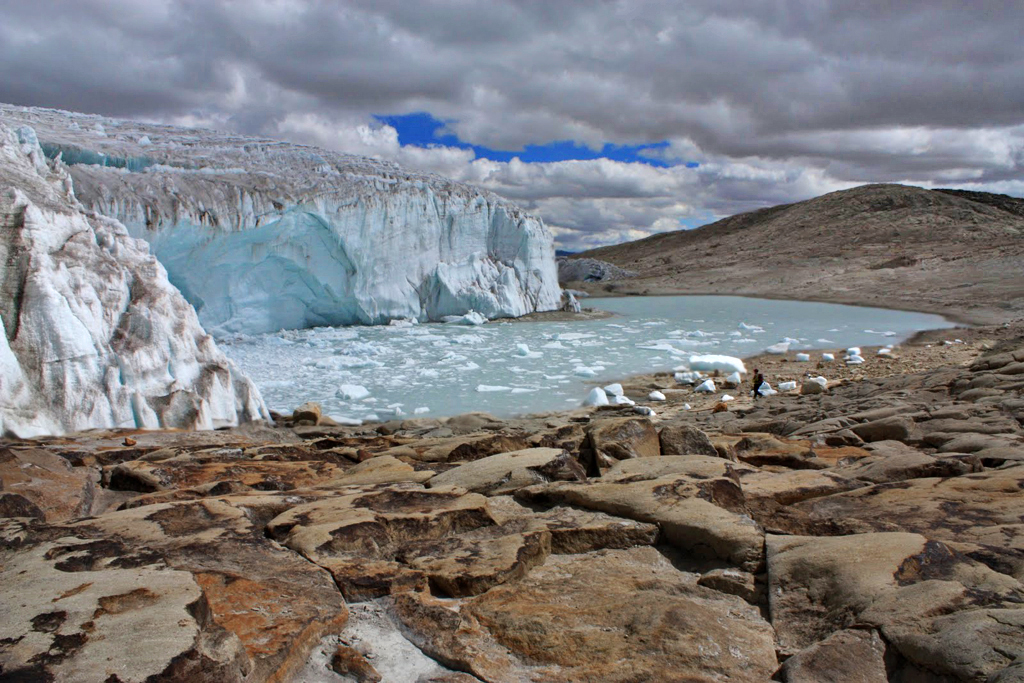
Quelccaya Glacier Cusco, also known as the Quelccaya Ice Cap, is one of the great natural attractions of the southern Peruvian Andes. Located in the Vilcanota Mountain Range, Very close to Mount Ausangate. the border between the Cusco and Puno regions, it is notable for its vast expanses of ice, glacial lagoons, high-mountain landscapes, and its importance to climate change research.
Where is the Quelccaya Glacier?
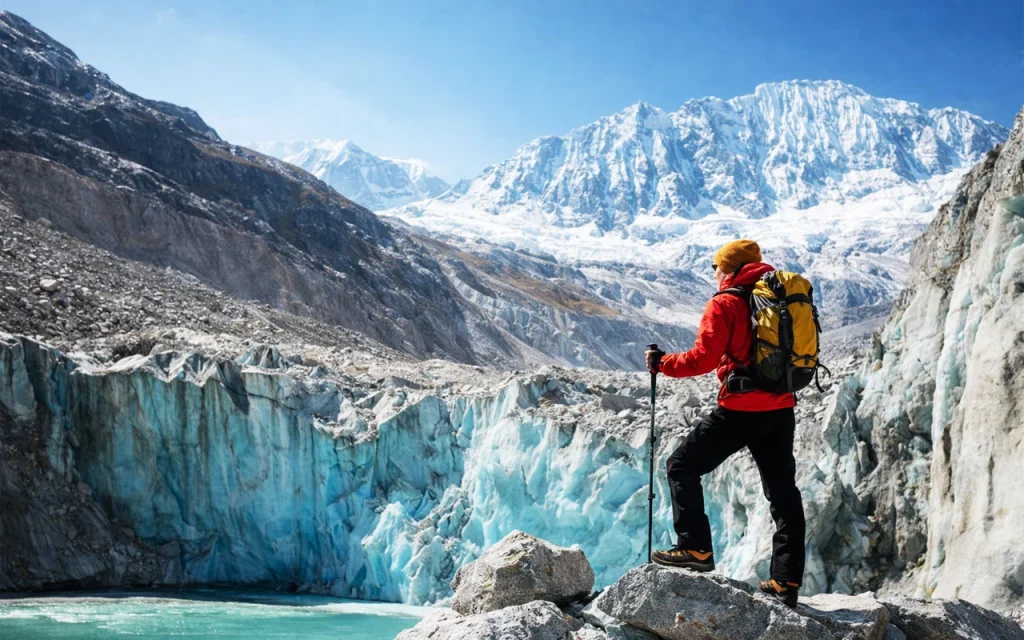
Quelccaya is situated in the Vilcanota Mountain Range at an elevation of over 5,200 meters above sea level (masl), with sections reaching approximately 5,680 masl. The area is part of a high-mountain landscape featuring glaciers, lagoons, moraines, wetlands, and high-Andean ecosystems.
Why is the Quelccaya Glacier important?
Quelccaya holds immense scientific and environmental value. Its ice layers have enabled the study of climatic and atmospheric variations spanning hundreds and even thousands of years. Researchers have used ice samples to reconstruct past climate data.
Furthermore, the glacier serves as a particularly important indicator of climate change in the Andes. In March 2026, INAIGEM reported that its research documented a loss of approximately 58% of the glacier’s surface area over 40 years, highlighting its accelerated retreat.
Altitude of the Quelccaya Glacier
The glacial zone lies at an elevation of approximately 5,200 to 5,700 masl. Consequently, a visit requires preparation for high altitude, low temperatures, and variable weather conditions.
What can be seen at Quelccaya?
During a visit to the Quelccaya area, one can see:
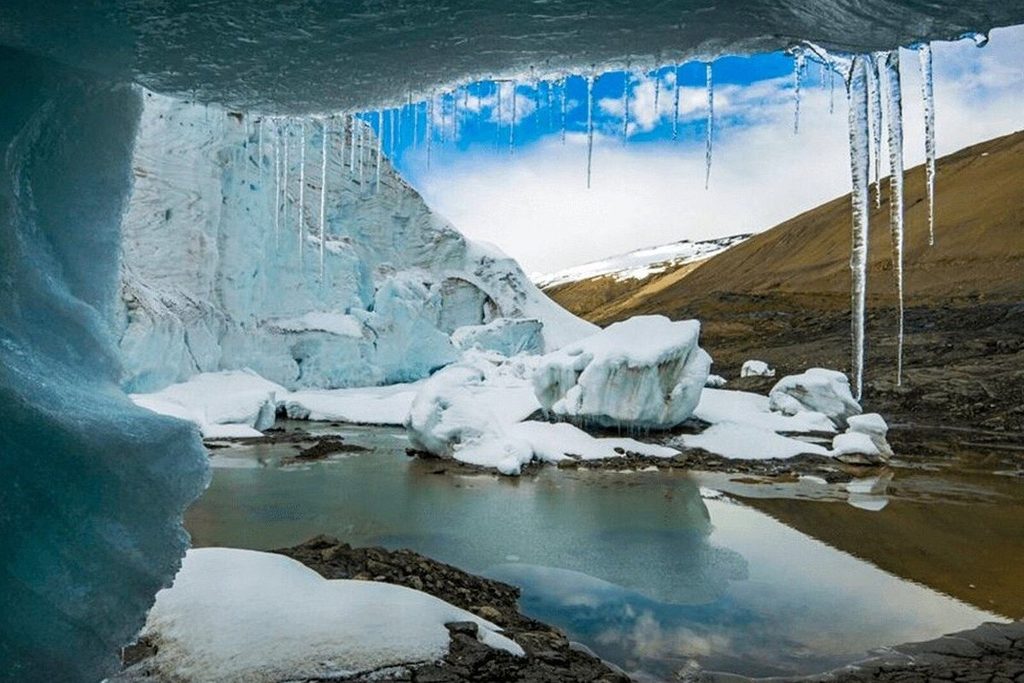
- Vast expanses of ice and snow.
- Glacial lagoons.
- Moraines and rock formations.
- Wetlands and high-Andean landscapes. Vicuñas and other Andean wildlife species.
- Panoramic views of the Vilcanota Range.
- Andean communities and cultural landscapes.
Climate Change and Glacier Retreat
The retreat of the Quelccaya Glacier is one of the most studied examples of the impact of global warming on tropical glaciers. Scientific research has documented a significant reduction in its surface area and changes to its glacial tongues.
This process also has implications for ecosystems, water resources, local communities, and mountain tourism.
How to Get to the Quelccaya Glacier from Cusco?
Access is remote, leading into the Vilcanota Mountain Range. Due to the high altitude, changeable weather, and road conditions, it is advisable to organize the visit with specialized operators and ensure you have appropriate transport and equipment.
The exact route may vary depending on local conditions, the chosen access point, and the specific tour program.
When to Visit Quelccaya?
The dry season—roughly from May to October—generally offers better conditions for mountain activities, although the weather at these elevations can change rapidly. The rainy season typically occurs between November and April.
Recommendations for Visiting Quelccaya
Before undertaking this excursion, it is recommended to:
- Acclimatize in Cusco beforehand.
- Bring thermal clothing and windbreakers.
- Wear appropriate trekking footwear.
- Bring sun protection, sunglasses, and a hat.
- Stay well-hydrated.
- Hire a guide or agency experienced in high-altitude mountaineering.
- Respect local communities and ecosystems.
- Leave no waste during your visit.
Responsible Tourism at Quelccaya
Visiting Quelccaya means experiencing a particularly vulnerable ecosystem. Tourism must be conducted responsibly, avoiding littering, disturbing wildlife, or damaging natural formations.
Conservation is especially important given the accelerated glacial retreat documented by recent research.
Frequently Asked Questions About the Quelccaya Glacier
Is the Quelccaya Glacier in Cusco?
Yes. Quelccaya is located in the Vilcanota Mountain Range, in an area that spans the territories of both Cusco and Puno. The MINCETUR tourism inventory lists this attraction in Corani, in the Carabaya province of Puno.
How high is Quelccaya?
The ice field reaches an elevation of approximately 5,680 meters above sea level in its upper sections.
Is trekking possible at Quelccaya?
Yes. The area offers potential for hiking, sightseeing, and nature tourism, although the high-mountain conditions require proper planning.
Is Quelccaya disappearing?
The ice field is undergoing significant retreat. In 2026, INAIGEM reported a loss of approximately 58% over four decades.
Why visit Quelccaya?
Because it combines glacial landscapes, high-mountain terrain, Andean culture, biodiversity, and scientific value, offering an experience distinct from the traditional tourist circuits of Cusco.