

Salkantay Trek vs the Inca Trail, Choosing between, the is one of the most important decisions when planning a trek to Machu Picchu. Both routes are spectacular, but they offer very different experiences.
The Salkantay Trek is ideal for travelers who want dramatic mountain scenery, high-altitude landscapes, Humantay Lake, cloud forests and a more flexible trekking experience. The Classic Inca Trail is better suited to travelers who prioritize Inca history, archaeological sites and the iconic entrance to Machu Picchu through the Sun Gate.
Salkantay Trek vs Inca Trail: Quick Comparison
| Feature | Salkantay Trek | Classic Inca Trail |
|---|---|---|
| Typical duration | 5 days / 4 nights | 4 days / 3 nights |
| Highest point | Salkantay Pass: 4,630 m / 15,190 ft | Dead Woman’s Pass: about 4,215 m / 13,829 ft |
| Main attraction | Mountains, glaciers, Humantay Lake and cloud forest | Inca trail, archaeological sites and Sun Gate |
| Difficulty | Challenging | Challenging |
| Landscape | Very diverse | Mountain and cloud-forest scenery |
| Archaeological sites | Some | Many |
| Permit | No specific Salkantay trail quota | Limited permits required |
| Flexibility | Higher | Lower |
| Best for | Nature and adventure | History and archaeology |
| Arrival at Machu Picchu | Usually via Machupicchu Pueblo | Through Inti Punku/Sun Gate |
The Salkantay route reaches approximately 4,630 m, making its highest point about 400 m higher than the Classic Inca Trail’s Dead Woman’s Pass.
What Is the Salkantay Trek?
The Salkantay Trek is a spectacular mountain route through the Cusco region toward Machu Picchu. The classic itinerary generally takes 5 days and 4 nights, covering approximately 60 km on one commonly used route.
The trek is famous for its dramatic change in scenery, beginning in the high Andes and descending through cloud forest toward Machu Picchu.
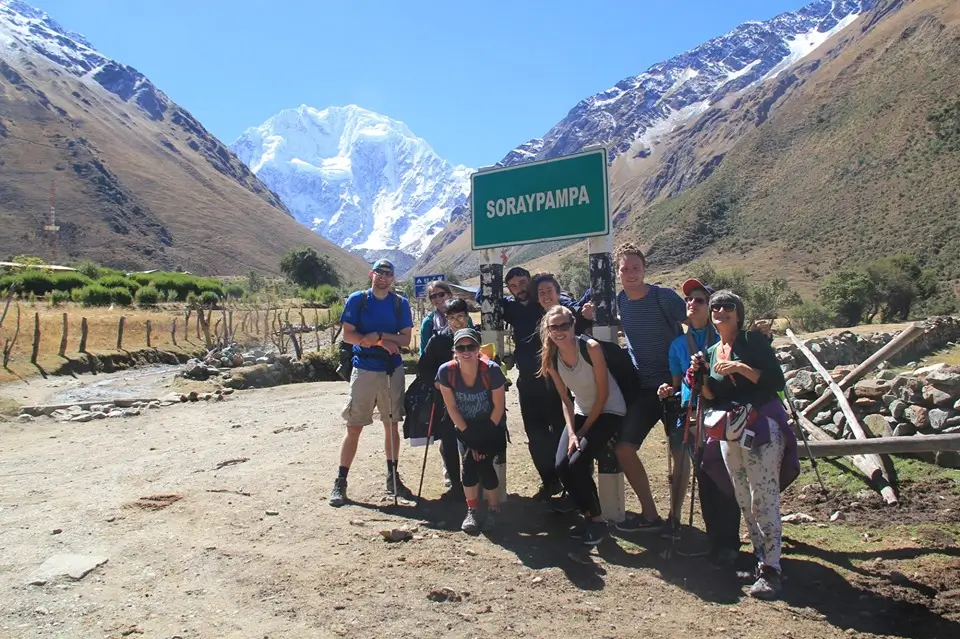
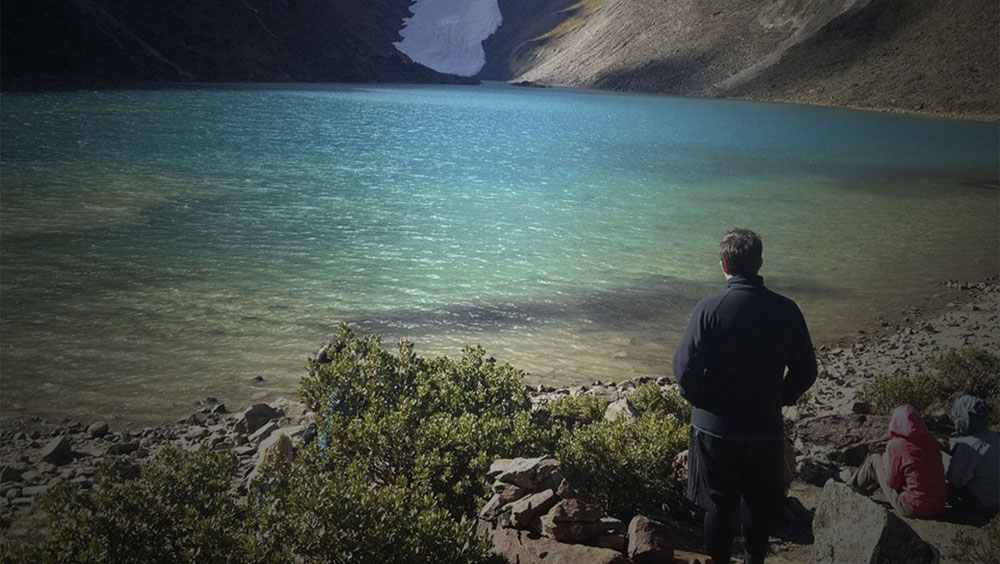


Salkantay Trek highlights
- Humantay Lake
- Salkantay Mountain
- Salkantay Pass
- High-altitude Andean landscapes
- Cloud forest
- Coffee-growing areas
- Llactapata
- Santa Teresa
- Machupicchu Pueblo
- Machu Picchu
Humantay Lake
One of the first major highlights is Humantay Lake, located at approximately 4,250 m / 13,944 ft. Its turquoise waters are fed by glacial meltwater from the surrounding mountains.
Salkantay Pass
The highest point of the trek is Abra Salkantay at approximately 4,630 m / 15,190 ft. From the pass, trekkers have impressive views of the surrounding mountains and glaciers before beginning the long descent toward the cloud forest.
This high-altitude section is one of the main reasons the Salkantay Trek should be taken seriously from a physical and acclimatization perspective.
What Is the Classic Inca Trail?
The Classic Inca Trail is one of the world’s most famous trekking routes. Unlike Salkantay, its principal attraction is not simply the scenery but the opportunity to walk along an ancient Inca road and visit archaeological sites along the way.
The trek typically takes 4 days / 3 nights.
Its biggest advantage is the historic approach to Machu Picchu: trekkers can reach Inti Punku, the Sun Gate, before continuing toward the archaeological sanctuary.


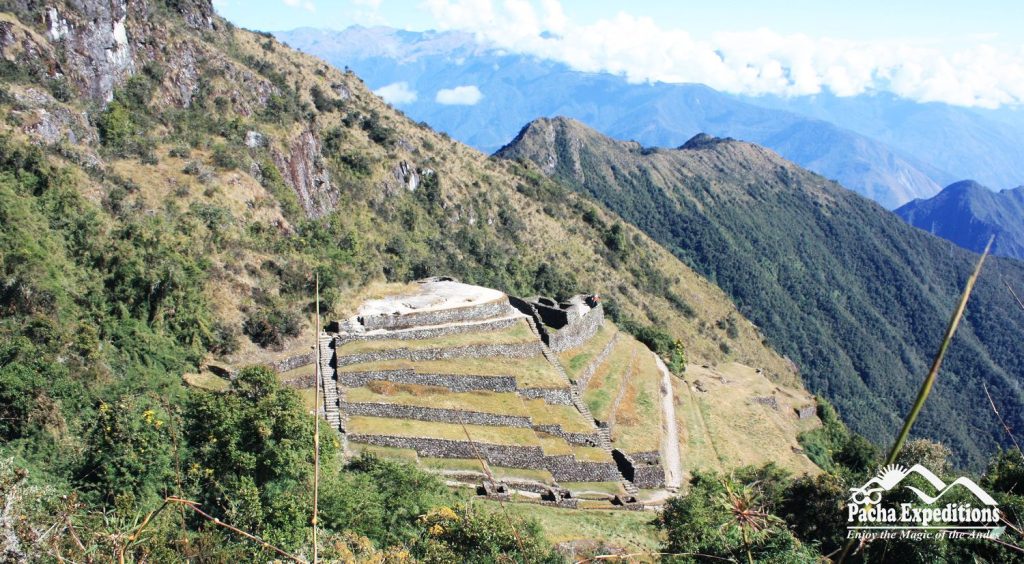

Inca Trail highlights
- Ancient Inca stone paths
- Andean mountain scenery
- Cloud forest
- Runkurakay
- Sayacmarca
- Phuyupatamarca
- Wiñay Wayna
- Inti Punku
- Machu Picchu
For travelers fascinated by the history and engineering of the Inca civilization, the Inca Trail offers an experience that Salkantay cannot replicate.
Salkantay Trek vs Inca Trail: Difficulty
Both treks are challenging, but the challenges are different.
Salkantay Trek
The principal challenge is altitude. The route reaches approximately 4,630 m at Salkantay Pass, followed by a substantial descent into lower and warmer environments.
Inca Trail
The Classic Inca Trail has a lower maximum altitude but includes numerous steep ascents, descents and stone steps.
Which is harder?
It depends on the traveler.
- If altitude is your biggest concern, the Salkantay Trek can be more demanding.
- If steep steps and repeated ascents and descents are your weakness, the Inca Trail may feel harder.
- Neither trek should be underestimated.
Good acclimatization in Cusco before either trek is strongly recommended.
Salkantay Trek vs Inca Trail: Scenery
This is one of the clearest differences.
Choose Salkantay for:
🏔️ Snow-capped mountains
💧 Glacial lakes
🌄 High-altitude landscapes
🌿 Cloud forest
☕ Coffee-growing areas
🌴 Warmer valleys
The route passes through several distinct ecosystems as it descends from the high Andes toward Machu Picchu.
Choose the Inca Trail for:
🏛️ Archaeological sites
🪨 Inca stonework
🌄 Mountain landscapes
🌿 Cloud forest
🚪 Inti Punku and the historic approach to Machu Picchu
Which Trek Has More Inca History?
The Inca Trail wins.
The route itself is part of the Inca road network, and archaeological sites appear throughout the journey.
Salkantay also offers historical and cultural attractions, including Llactapata, but its defining experience is the mountain environment rather than continuous archaeological exploration.
If your main question is:
“I want to walk in the footsteps of the Incas.”
Choose the Inca Trail.
If your question is:
“I want to experience the Andes and dramatic mountain scenery.”
Choose Salkantay.
Which Trek Is More Flexible? Salkantay Trek vs Inca Trail.
Salkantay is generally more flexible.
The Salkantay route does not operate under the same limited daily trekking quota as the Classic Inca Trail, making it easier to find departures that fit your travel dates.
The Classic Inca Trail has limited capacity, so travelers should plan well in advance, particularly during popular travel periods.
However, Machu Picchu entrance tickets are still required regardless of which trekking route you choose.
Salkantay Trek vs Inca Trail: Weather
Both routes experience changing mountain weather.
Salkantay
Because of the significant altitude variation, you can experience:
- Cold temperatures at high altitude
- Strong sun
- Wind
- Rain
- Cloud forest conditions
- Warmer temperatures at lower elevations
Inca Trail
The Inca Trail can also experience:
- Cold nights
- Strong sunlight
- Rain
- Fog
- Humidity
- Rapid weather changes
For either trek, layered clothing and rain protection are essential.
Best Time to Do the Trek
The dry season, generally from May to September, is popular for trekking in the Cusco region because rainfall is typically lower.
However, this is also a busy period.
The wet season can bring more rain, slippery trails and cloudier conditions, although the landscapes can be exceptionally green.
Rather than choosing a trek solely based on weather, consider your tolerance for rain, availability of permits and preferred travel dates.
What should you pack for the Salkantay Trek vs Inca Trail?
For either trek, your packing list should include:
- Waterproof hiking boots
- Lightweight trekking clothing
- Warm layers
- Waterproof jacket
- Sun hat
- Sunglasses
- Sunscreen
- Water bottle or hydration system
- Trekking poles
- Personal medications
- Small first-aid kit
- Headlamp
- Insect repellent
- Personal toiletries
- Passport
- Small daypack
For Salkantay, warm clothing is particularly important because of the high-altitude camps and the 4,630 m pass.
How Many Days Should You Acclimatize?
Altitude acclimatization is important for both routes.
Cusco itself is around 3,400 m above sea level, while Salkantay reaches considerably higher elevations.
Ideally, spend at least 2–3 days in Cusco before beginning a high-altitude trek, especially if you are arriving from a low-altitude location.
Do not assume that being physically fit makes you immune to altitude sickness.
Salkantay Trek vs Inca Trail. Which Trek Is Better for You?
Choose the Salkantay Trek if you:
- Love dramatic mountain scenery.
- Want to see Humantay Lake.
- Want to cross a high mountain pass.
- Prefer a more flexible trekking schedule.
- Enjoy changing landscapes and ecosystems.
- Want a challenging adventure.
- Are interested in the natural side of the Andes.
Choose the Inca Trail if you:
- Love Inca history.
- Want to visit several archaeological sites.
- Want to walk on an ancient Inca road.
- Want to enter Machu Picchu via Inti Punku.
- Prefer archaeology and culture over purely mountain scenery.
- Can plan your trip around limited trekking availability.
Salkantay Trek vs Inca Trail: Which One Should You Choose?
There is no single winner.
Salkantay Trek is best for nature, mountains and adventure.
Inca Trail is best for history, archaeology and the traditional approach to Machu Picchu.
If you have enough time and budget, doing both on separate trips provides two completely different perspectives of the Cusco region and Machu Picchu.