Hot Springs Cocalmayo and the Salkantay Trail are two highlights of the journey to Machu Picchu in southern Peru. After crossing high-altitude landscapes, reaching the Salkantay Pass, and descending into the warmer cloud forest, travelers can relax in the natural thermal pools of Cocalmayo near Santa Teresa.
Located in the Cusco region of Peru, Cocalmayo is a popular stop on several alternative routes to Machu Picchu, including the Salkantay Trek, Inca Jungle Trek, and routes through Hidroelectrica. Its warm thermal waters, lush vegetation, and location beside the Vilcanota River make it a memorable place to rest after several days of hiking.

Where Are the Cocalmayo Hot Springs?
The Cocalmayo Hot Springs are located in the district of Santa Teresa, La Convención Province, Cusco, Peru, at approximately 1,600 meters (5,250 feet) above sea level.
The thermal baths are around 4–5 kilometers from the town of Santa Teresa and are surrounded by green mountains and tropical vegetation. The Vilcanota River flows nearby, creating a dramatic contrast between the warm thermal pools and the surrounding landscape.
Cocalmayo’s lower elevation also means a significant change in climate compared with the cold, high-altitude sections of the Salkantay Trail.
What Are the Cocalmayo Hot Springs Like?
Cocalmayo consists of several outdoor thermal pools supplied by natural hot springs. Sources describing the site report water temperatures that can reach approximately 42–44°C (108–111°F), although temperatures can vary between pools and over time.
The setting is one of the main attractions. Instead of being an enclosed spa, Cocalmayo is an open-air thermal complex surrounded by vegetation and mountains.
The combination of warm water, fresh air, tropical vegetation, and the nearby river makes Cocalmayo particularly attractive after a demanding trek.
Why Visit Cocalmayo After the Salkantay Trek?
The classic Salkantay route crosses dramatically different environments, from high Andean valleys and glacial landscapes to cloud forest and warmer valleys.
The route reaches the Salkantay Pass at approximately 4,630 meters (15,190 feet) before descending toward the warmer areas around Santa Teresa. A standard five-day Salkantay itinerary covers roughly 60 kilometers, although exact distances and routes vary between operators.
By the time trekkers reach the Santa Teresa area, the contrast is striking:
- Cold high-altitude mountains
- Snow-capped peaks and glacial landscapes
- Long downhill sections
- Cloud forest and tropical vegetation
- Coffee-growing areas
- Warm temperatures around Santa Teresa
- Relaxation at Cocalmayo Hot Springs
For many travelers, the thermal baths provide a relaxing break between the demanding mountain sections and the final journey toward Machu Picchu.
Cocalmayo Hot Springs on the Salkantay Trek
Cocalmayo is commonly incorporated into Salkantay Trek itineraries to Machu Picchu, particularly around the Santa Teresa section.
A typical five-day route follows a progression similar to:
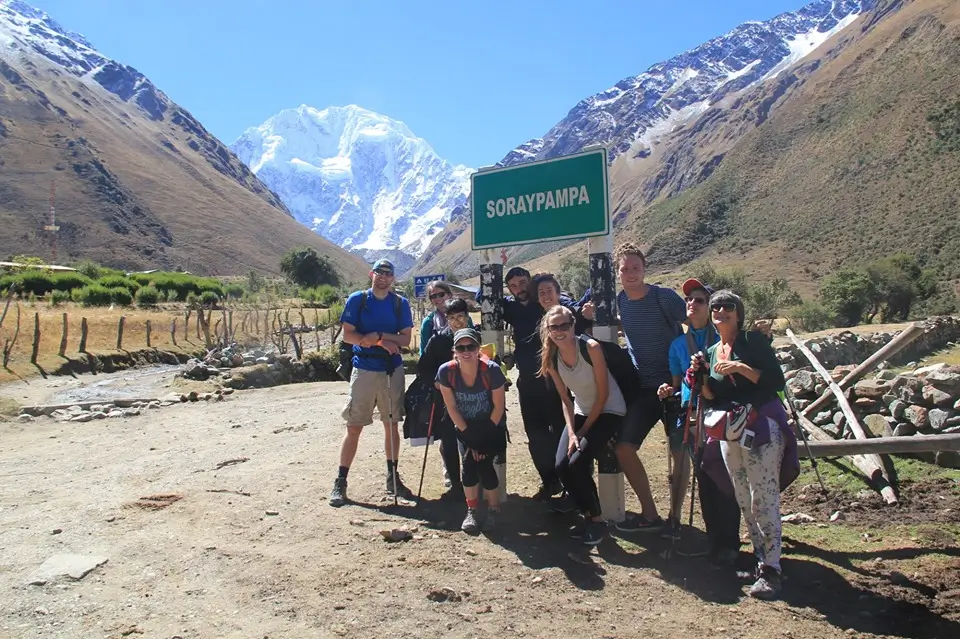
Cusco → Challacancha → Soraypampa → Salkantay Pass → Collpapampa → Lucmabamba → Santa Teresa → Hidroelectrica → Aguas Calientes → Machu Picchu
Depending on the itinerary, travelers may visit Cocalmayo after reaching Santa Teresa, either on the same day or as an optional activity.
Some four-day and alternative Salkantay itineraries also include Cocalmayo. Exact route details, trekking times, campsites, and transportation can differ considerably between operators.
What Is the Salkantay Trail Like?
The Salkantay Trek to Machu Picchu is one of the most popular alternative trekking routes in Peru.
Unlike the Classic Inca Trail, the Salkantay route is characterized by major changes in altitude and ecosystems. The highest point is the Salkantay Pass, followed by a long descent toward the cloud forest and Santa Teresa.
The standard five-day route generally includes:
Day 1: Cusco – Soraypampa
The journey begins with transportation from Cusco toward the trailhead. The first hiking day includes the spectacular Humantay Lake, located at approximately 4,250 meters (13,940 feet), followed by the ascent toward Soraypampa.
Day 2: Salkantay Pass – Chaullay
This is generally the most demanding section because trekkers cross the 4,630-meter Salkantay Pass. From the pass, the trail descends toward lower and warmer landscapes.
Day 3: Chaullay – Lucmabamba – Santa Teresa
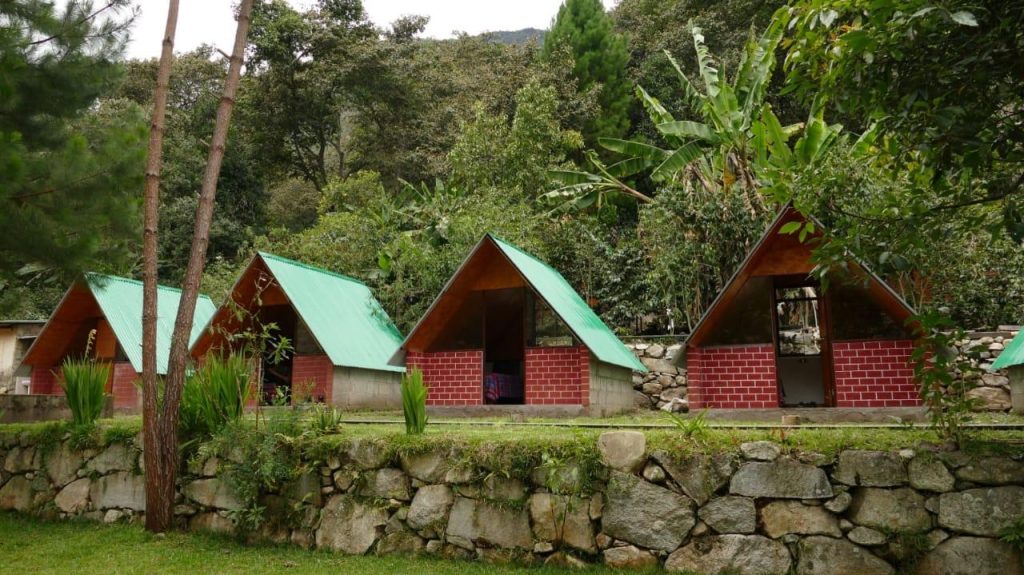
The landscape changes dramatically as the trail descends into greener areas. Coffee plantations, tropical vegetation, and warmer temperatures become characteristic of this section.
Depending on the itinerary, travelers may continue to Cocalmayo Hot Springs for a relaxing soak before spending the night in Santa Teresa.
Day 4: Santa Teresa – Hidroelectrica – Aguas Calientes
From Santa Teresa, the journey continues toward Hidroelectrica. Travelers can then walk along the railway toward Machu Picchu Pueblo, also known as Aguas Calientes.
Day 5: Machu Picchu
The final day is dedicated to exploring the archaeological sanctuary of Machu Picchu.
How to Get to Cocalmayo Hot Springs
There are several ways to reach Cocalmayo.
From Santa Teresa
Santa Teresa is the closest town. Cocalmayo is only a few kilometers away, and travelers can arrange local transportation or follow the road depending on current conditions.
From the Salkantay Trek
If you are traveling with an organized Salkantay Trek, Cocalmayo may already be included in the itinerary as an optional or scheduled visit.
Always check your specific itinerary before assuming that the entrance, transportation, or time at the hot springs is included.
From Hidroelectrica
Cocalmayo can also be visited by travelers using the overland route through Santa Teresa and Hidroelectrica on their way to or from Machu Picchu.
Because local transportation schedules and access conditions can change, it is advisable to confirm current arrangements before traveling.
How Hot Are the Cocalmayo Thermal Pools?
The reported temperature of the pools varies depending on the pool and source. Published descriptions commonly place the water around 38–44°C (100–111°F), while some more recent guides report temperatures around 42°C.
Because thermal water can be very hot, especially after strenuous exercise, visitors should enter gradually, stay hydrated, and avoid remaining in very hot water for excessive periods.
Best Time to Visit Cocalmayo
Cocalmayo can be visited throughout the year, but the overall trekking experience depends heavily on the weather conditions along the Salkantay route.
The dry season, generally from May to October, is popular for trekking because of the lower rainfall. However, mornings and nights at high elevations can be very cold.
The rainy season, generally from November to April, can bring wetter trails and cloudier conditions. At the same time, the vegetation around the lower sections can be particularly lush.
For the Salkantay Trek, your decision should consider both the weather at the high-altitude sections and the warmer, wetter conditions around Santa Teresa.
What Should You Bring to Cocalmayo?
If Cocalmayo is part of your Salkantay itinerary, pack a small day bag with:
- Swimsuit
- Towel
- Sandals or flip-flops
- Change of dry clothes
- Waterproof bag for wet clothing
- Sunscreen
- Reusable water bottle
- Personal toiletries
- Cash for local expenses
Keep your valuables secure and avoid taking unnecessary electronic equipment into the pools.
Is Cocalmayo Worth Visiting on the Salkantay Trek?
Cocalmayo offers a completely different experience from the high-altitude sections of the Salkantay Trail.
The trek begins in a dramatic Andean environment, reaches one of the highest points of the route at Salkantay Pass, and then descends toward warmer valleys and cloud forest. Cocalmayo fits naturally into this transition by providing a place to slow down and relax before continuing toward Machu Picchu.
For travelers who enjoy combining adventure, nature, culture, and relaxation, adding Cocalmayo to a Salkantay itinerary can be an appealing option.
Hot Springs Cocalmayo vs. Aguas Calientes Hot Springs
Cocalmayo and Aguas Calientes both offer thermal-bath experiences, but they are in different locations.
| Cocalmayo | Aguas Calientes |
|---|---|
| Near Santa Teresa | In Machu Picchu Pueblo |
| Surrounded by tropical vegetation | Located within the town |
| Often visited during Salkantay routes | Convenient before or after Machu Picchu |
| Lower elevation | Approximately 2,040 m |
| Outdoor thermal pools | Urban thermal-bath complex |
Cocalmayo is particularly associated with the Santa Teresa and alternative Machu Picchu routes, while Aguas Calientes is the main gateway town for visiting Machu Picchu.
Frequently Asked Questions About Cocalmayo and Salkantay
How far is Cocalmayo from Santa Teresa?
Cocalmayo is approximately 4–5 km from Santa Teresa, depending on the point of reference and route used.
Is Cocalmayo part of the Salkantay Trek?
It can be. Many Salkantay itineraries include or offer a visit to Cocalmayo around the Santa Teresa section, but inclusions vary by tour operator.
What altitude is Cocalmayo?
Cocalmayo is located at approximately 1,600 meters (5,250 feet) above sea level.
What is the highest point of the Salkantay Trek?
The Salkantay Pass reaches approximately 4,630 meters (15,190 feet) above sea level.
Can I visit Cocalmayo without doing the Salkantay Trek?
Yes. Cocalmayo can also be visited independently from Santa Teresa and is accessible as part of other routes in the area.
Is Cocalmayo close to Machu Picchu?
Cocalmayo is in the Santa Teresa area, on an alternative overland approach toward Machu Picchu. It is not directly beside the archaeological site, so travelers still need to continue to Machu Picchu Pueblo and then to the sanctuary.
How long should I stay at Cocalmayo?
A visit of a few hours is generally enough to enjoy the thermal pools. If it is included in a trekking itinerary, the exact time will depend on your group’s schedule and transportation.
Plan Your Salkantay Trek to Machu Picchu
The Salkantay Trek and Cocalmayo Hot Springs combine two very different sides of the Cusco region: the dramatic high Andes and the warm tropical valleys near Santa Teresa.
From Humantay Lake and Salkantay Pass to the cloud forest, coffee-growing communities, Cocalmayo Hot Springs, and finally Machu Picchu, the route offers a diverse trekking experience.
If you are planning your trip with a local operator, choose an itinerary that clearly explains transportation, accommodation, meals, entrance fees, trekking distances, and whether the Cocalmayo Hot Springs visit is included or optional.