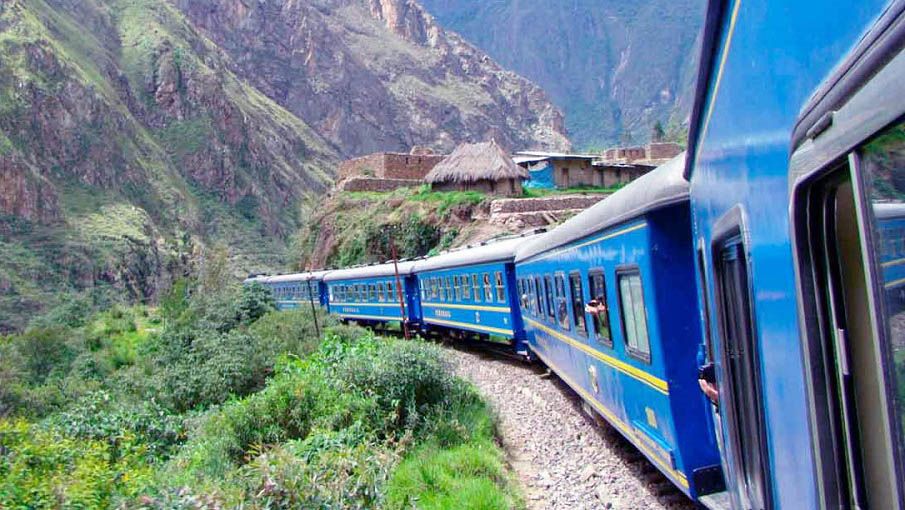
Excursion to Machu Picchu by train is often considered the most scenic and comfortable way to reach the citadel, especially if you aren’t embarking on a multi-day trek. Since it’s now April 2026, we are in the “shoulder season” where weather transitions and bimodal services (bus + train) are common.
Here is the essential guide: Excursion to Machu Picchu by train.
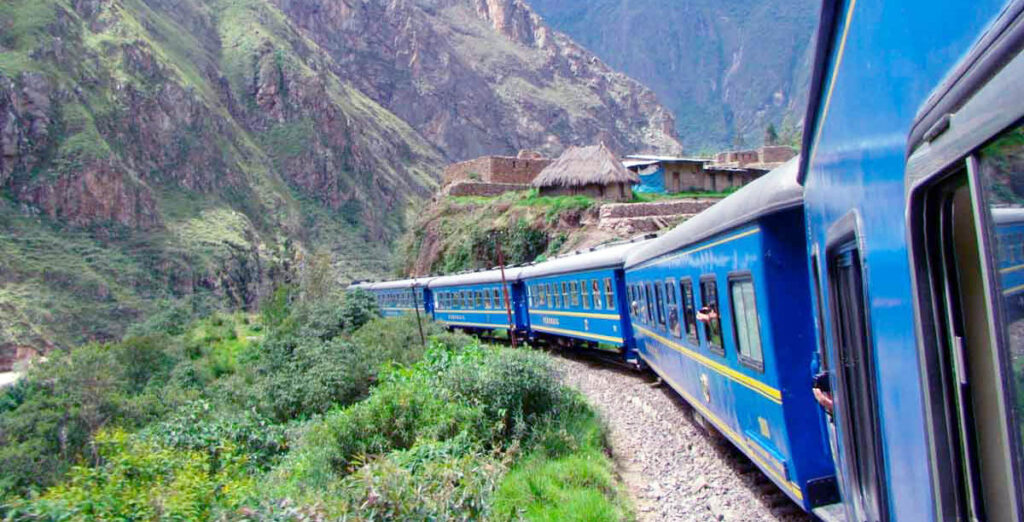
1. Excursion to Machu Picchu by train – The Two Major Operators
There are two main companies that share the tracks. Both are professional and reliable, but they offer slightly different vibes:
- PeruRail: The larger operator with the most frequent departures.
- Expedition: The “standard” class. Practical and comfortable with overhead windows.
- Vistadome: Features panoramic windows, Andean-themed music/dance, and snacks.
- Hiram Bingham: The ultra-luxury Belmond service. Think 1920s Pullman cars, gourmet dining, and an open bar.
- Inca Rail: Often praised for its “boutique” feel and comfortable waiting lounges.
- The Voyager: Their standard service, comparable to the Expedition.
- The 360°: Features high-tech entertainment and wider panoramic windows than the Vistadome.
- The Private: A completely exclusive carriage for groups or families.
2. Departure Stations & “Bimodal” Service – Excursion to Machu Picchu by train.
Depending on where you are staying, you have a few options for your starting point. Excursion to Machu Picchu by train.
| Station | Location | Duration to Aguas Calientes | Notes |
| Ollantaytambo | Sacred Valley | 1.5 – 2 Hours | The most frequent and popular departure point. |
| Wanchaq / San Pedro | Cusco City | 4 Hours | Often requires “Bimodal” service (bus to the valley, then train). |
| Poroy | 20m from Cusco | 3.5 Hours | Seasonal; usually closed Jan–April for safety/maintenance. |
Pro-Tip: From January to April, most Cusco departures are Bimodal. You board a private bus provided by the train company in Cusco (usually Wanchaq or Av. El Sol), which takes you to Ollantaytambo to catch your train.
3. Essential Logistics for 2026
- Luggage Restrictions: Trains are very strict about space. You are generally allowed one carry-on bag per person (max 8kg / 17lbs). Most hotels in Cusco or the Sacred Valley will store your larger suitcases for free while you visit the ruins.
- Tickets & Passports: You must have your original passport to board the train and to enter Machu Picchu. Digital copies are often not accepted at the gate.
- Timing: Aim to arrive at the station at least 30 minutes before departure. If you miss your train, tickets are typically non-refundable and hard to reschedule on the same day.
4. The Final Leg: Aguas Calientes to the Gate
The train ends at Aguas Calientes (Machu Picchu Pueblo). To reach the actual archaeological site, you have two choices:
- The Consettur Bus: A 25-minute winding ride up the mountain. Tickets cost $24 USD round-trip for foreigners.
- The Hike: A steep, 1.5 to 2-hour walk up stone stairs. It’s rewarding but physically demanding.
5. Quick Cost Estimates (2026 Prices)
- Standard Train (Round-trip): $140 – $180 USD
- Panoramic Train (Round-trip): $190 – $250 USD
- Luxury (Hiram Bingham): $900+ USD
Would you like to know more about which Machu Picchu “Circuit” (1, 2, or 3) best matches the train arrival times?