
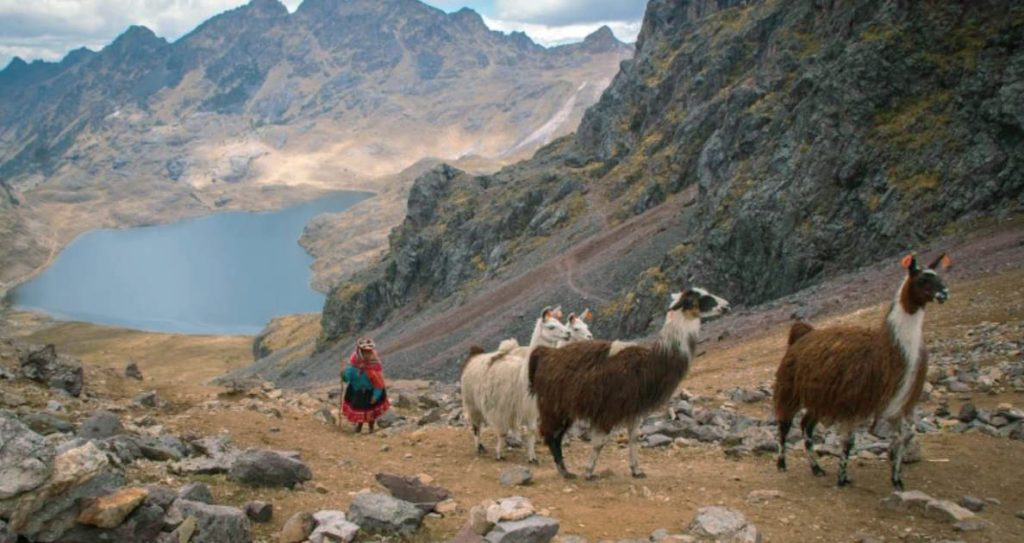
Lares Trek Cusco, is one of Peru’s most rewarding alternatives to the Classic Inca Trail. Known for its breathtaking Andean landscapes, authentic cultural encounters, and peaceful mountain trails, the Lares Trek offers an unforgettable journey through remote villages before reaching the iconic Machu Picchu.
Whether you’re looking for fewer crowds, cultural immersion, or stunning scenery, this complete guide will help you plan your adventure.
What is the Lares Trek Cusco?
Is a scenic multi-day hiking route through the Sacred Valley of the Incas. Unlike the Classic Inca Trail, the Lares Trek focuses more on experiencing traditional Andean life than visiting archaeological sites.
Along the way, hikers pass:
- Traditional Quechua villages
- Crystal-clear glacial lakes
- Snow-capped mountains
- Hot springs
- Alpaca and llama grazing fields
- Ancient agricultural terraces
Most itineraries finish with a train ride to Aguas Calientes, followed by a guided visit to Machu Picchu.
Where is the Lares Trek?
Lares is located in Peru’s Cusco Region, northwest of Cusco.
The trek begins in the village of Lares, approximately 3 hours from Cusco, and crosses spectacular mountain passes before descending toward the Sacred Valley.
Why Choose the Lares Trek?
Authentic Cultural Experience
One of the biggest highlights of the Lares Trek is meeting local Quechua communities that still preserve centuries-old traditions.
Visitors can observe:
- Traditional weaving techniques
- Local farming practices
- Indigenous clothing
- Daily village life
- Ancient customs passed down through generations
Incredible Mountain Scenery
The route features dramatic Andean landscapes, including:
- Snow-capped peaks
- Turquoise glacial lakes
- Waterfalls
- High mountain passes
- Deep valleys
- Rolling grasslands
Nature lovers and photographers will find endless opportunities for spectacular views.
Fewer Crowds
Unlike the Classic Inca Trail, the Lares Trek receives far fewer visitors.
This allows hikers to enjoy:
- Quiet trails
- Peaceful campsites
- Better wildlife viewing
- A more personal trekking experience
No Permit Required
Another major advantage is that the Lares Trek does not require the limited government permits needed for the Classic Inca Trail.
This makes it an excellent last-minute trekking option.
Lares Trek Difficulty
The trek is generally considered moderate to challenging.
Factors affecting the difficulty include:
- High altitude
- Long hiking days
- Mountain passes over 4,400 meters (14,435 ft)
- Uneven terrain
Previous hiking experience is helpful but not essential if you are reasonably fit.
Altitude on the Lares Trek
Typical elevations include:
| Location | Elevation |
|---|---|
| Cusco | 3,399 m (11,152 ft) |
| Lares | 3,200 m (10,500 ft) |
| Highest Pass | 4,450–4,700 m (14,600–15,420 ft) |
| Machu Picchu | 2,430 m (7,972 ft) |
Spending at least 2–3 days acclimatizing in Cusco before starting the trek is highly recommended.
Best Time to Hike the Lares Trek
Dry Season (May–September)
This is the most popular time for trekking.
Advantages:
- Sunny weather
- Clear mountain views
- Less muddy trails
- Excellent photography conditions
Shoulder Season (April & October)
Many experienced hikers prefer these months because they offer:
- Pleasant weather
- Green landscapes
- Fewer tourists
Rainy Season (November–March)
The trek remains open throughout most of the year, although heavy rains may make sections more challenging.
Typical Lares Trek Itinerary
Most tours last between 3 and 5 days.
A common 4-day itinerary includes:
01 Day
- Drive from Cusco to Lares
- Visit the hot springs (depending on the itinerary)
- Begin hiking
- Camp in the mountains
02 Day
- Cross the highest mountain pass
- Visit remote villages
- Camp beside alpine lakes
03 Day
- Descend into the Sacred Valley
- Transfer to Ollantaytambo
- Train to Aguas Calientes
04 Day
- Early morning visit to Machu Picchu
- Guided tour
- Return to Cusco
Wildlife You’ll See
The Lares is home to many Andean animals, including:
- Alpacas
- Llamas
- Vicuñas
- Vizcachas
- Andean geese
- Caracaras
- Hummingbirds
- Andean condors (occasionally)
What to Pack
Essential items include:
- Hiking boots
- Waterproof jacket
- Warm clothing
- Hat and gloves
- Sunscreen
- Sunglasses
- Reusable water bottle
- Trekking poles
- Camera
- Personal medications
- Headlamp
- Rain cover for your backpack
Layering your clothing is essential because temperatures can vary significantly throughout the day.
Can Beginners Do the Lares Trek?
Yes.
Although physically demanding, many first-time trekkers successfully complete the route.
Preparing with regular walking, cardio exercise, and proper acclimatization greatly improves the experience.
Lares Trek vs. Classic Inca Trail
| Feature | Lares Trek | Classic Inca Trail |
|---|---|---|
| Crowds | Low | High |
| Cultural Experience | Excellent | Moderate |
| Archaeological Sites | Few | Many |
| Permit Required | No | Yes |
| Mountain Scenery | Outstanding | Outstanding |
| Ends at Machu Picchu | Yes | Yes |
Frequently Asked Questions
Is the Lares Trek worth it?
Absolutely. It combines spectacular scenery, authentic Andean culture, and a visit to Machu Picchu while avoiding the crowds of more famous routes.
How difficult is the Lares Trek?
It is considered moderately challenging due to the high altitude and mountain passes, but it is achievable for hikers with a reasonable level of fitness.
Do I need a permit?
No. Unlike the Classic Inca Trail, no special trekking permit is required.
What is the highest point?
Most itineraries reach elevations between 4,450 and 4,700 meters (14,600–15,420 ft).
Is altitude sickness a concern?
Yes. Spending several days acclimatizing in Cusco before the trek significantly reduces the risk.
Final Thoughts
Lares Hike, is one of Peru’s most authentic trekking experiences, combining breathtaking mountain landscapes, rich Andean culture, and the unforgettable reward of visiting Machu Picchu. Ideal for travelers seeking a quieter, more immersive alternative to the Classic Inca Trail, this route offers meaningful encounters with local communities, stunning alpine scenery, and a memorable adventure through the heart of the Andes.