
+51 984 387 050
Mollepata Andean Village, in the province of Anta, Cusco, and one of the most important access points for travelers heading toward Humantay Lake and the Salkantay Trek to Machu Picchu. Surrounded by mountains, agricultural landscapes and traditional Andean communities, Mollepata offers an authentic introduction to the spectacular high-altitude scenery of southern Peru.
For trekkers, Mollepata is more than a starting point: it is the gateway between the Cusco highlands and the dramatic landscapes of the Salkantay mountain range.
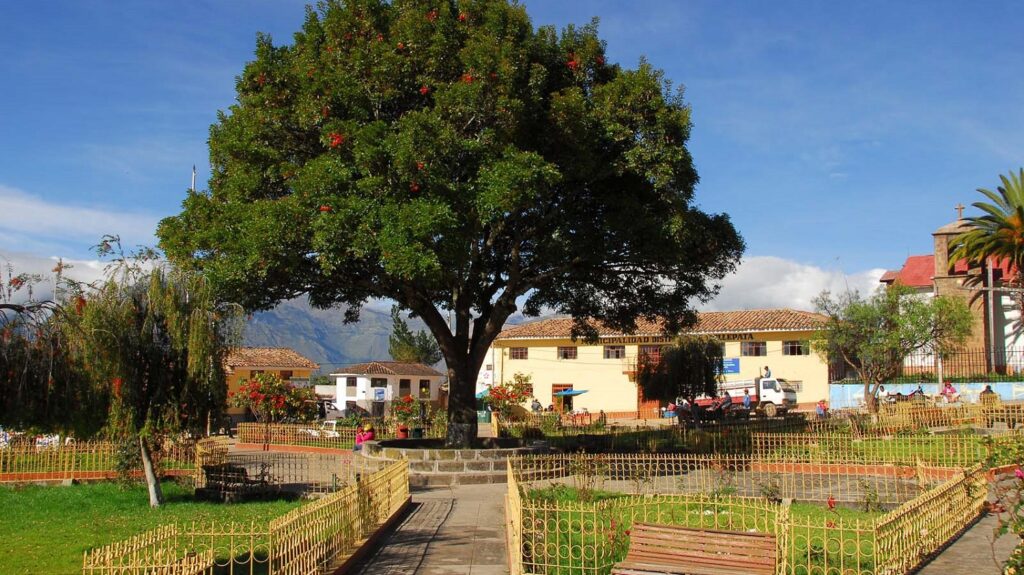
Mollepata is located in the Anta province of the Cusco region, approximately two hours by road from the city of Cusco, depending on road and traffic conditions. The village lies at roughly 2,800–2,900 meters (9,200–9,500 feet) above sea level.
From Mollepata, travelers continue toward Soraypampa, the principal starting area for the hike to Humantay Lake and an important campsite on the Salkantay Trek.
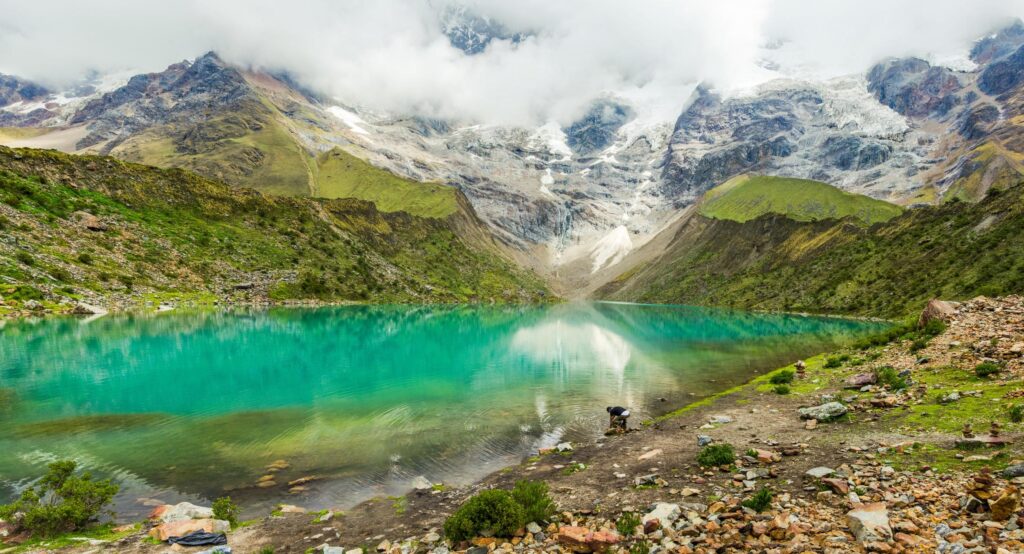
One of the main reasons travelers pass through Mollepata is to visit the spectacular Humantay Lake, a turquoise glacial lake beneath Humantay Mountain.
The hiking route begins at Soraypampa, at approximately 3,800–3,900 meters, and climbs to around 4,200 meters (13,780 feet) at the lake. The altitude makes the hike challenging even though the trail is not technically difficult.
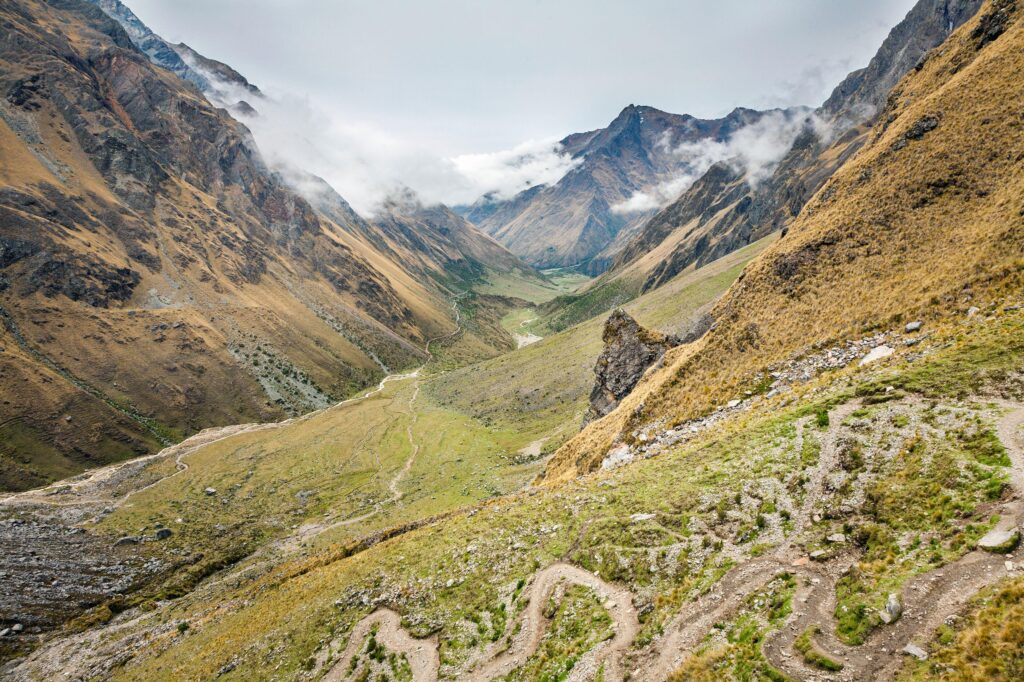
The landscape changes dramatically as you climb: green valleys give way to high-altitude grasslands, rocky slopes, glaciers and panoramic views of the surrounding mountains.
Mollepata is traditionally associated with the beginning of the Salkantay Trek, one of the most scenic alternative trekking routes to Machu Picchu.
The classic route crosses several ecological zones, beginning in the high Andes and continuing through the Salkantay Pass before descending toward warmer cloud-forest environments and eventually reaching Aguas Calientes and Machu Picchu.
The highest point is the Salkantay Pass, generally around 4,600–4,630 meters (15,090–15,190 feet).
A typical route includes:
Depending on the operator and itinerary, the first section can be modified by using transportation toward Soraypampa.
Mollepata provides an opportunity to experience a quieter side of the Cusco region before entering the spectacular Salkantay landscape.
Visitors can enjoy:
The surrounding countryside features agricultural fields, mountain slopes and spectacular views of the Andes.
Mollepata is the principal gateway for road access toward Soraypampa and the Humantay Lake trail.
The village is historically connected with the traditional Salkantay trekking route toward Machu Picchu.
Mollepata has restaurants and basic visitor services where travelers can eat and prepare for the journey. Current local listings include 360 MOLLECHAYOQ – Humantay Experience and Paso Andino.
The journey normally begins in Cusco and continues by road toward Mollepata.
Travelers can reach the village by:
For independent travelers, local transportation to Mollepata is also available from Cusco.
For organized trekking tours, transportation commonly continues beyond Mollepata toward Soraypampa, reducing the amount of road walking on the first day.
| Location | Approximate altitude |
|---|---|
| Cusco | 3,400 m / 11,155 ft |
| Mollepata | 2,800–2,900 m / 9,200–9,500 ft |
| Soraypampa | 3,800–3,900 m / 12,470–12,800 ft |
| Humantay Lake | 4,200 m / 13,780 ft |
| Salkantay Pass | 4,600–4,630 m / 15,090–15,190 ft |
| Machu Picchu | 2,430 m / 7,972 ft |
Altitude figures can vary slightly depending on the exact point measured and the trekking itinerary.
The dry season from May to September is generally preferred for trekking because there are more opportunities for clear mountain views and relatively dry trails.
June, July and August are particularly popular, although nights at high altitude can be very cold.
The rainy season can bring clouds, rain and muddy trails, but the landscapes can also be exceptionally green.
Because the route quickly reaches elevations above 4,000 meters, acclimatization is important.
Before hiking to Humantay Lake or crossing the Salkantay Pass:
The biggest challenge is generally the altitude rather than technical climbing difficulty.
Mollepata is ideal for travelers who want to combine Andean culture, mountain landscapes and adventure trekking. Its strategic position connects the agricultural valleys around Anta with the dramatic high-altitude environment of Humantay and Salkantay.
For visitors traveling with an organized expedition, Mollepata can be an important cultural and logistical stop before continuing toward Soraypampa and the spectacular turquoise waters of Humantay Lake.
Traditionally, yes. Mollepata is recognized as a traditional starting point, although many modern itineraries use transportation to Soraypampa or Challacancha to shorten the first walking section.
Mollepata is approximately 2,800–2,900 meters above sea level, depending on the location measured.
Humantay Lake is approximately 4,200 meters (13,780 feet) above sea level.
The hike is considered physically challenging mainly because of the altitude and steep ascent. It does not normally involve technical climbing.
Yes. Humantay Lake can be visited as a full-day excursion from Cusco, returning the same day.
The classic Salkantay route to Machu Picchu is commonly offered as a 4- or 5-day trek, depending on the itinerary. Some versions cover approximately 70–74 km.
Mollepata is the gateway to one of the most spectacular trekking experiences in the Peruvian Andes. From this traditional Andean village, travelers can continue toward Soraypampa, hike to the turquoise Humantay Lake, cross the high-altitude Salkantay Pass, descend through cloud forests and ultimately reach Machu Picchu.
For travelers searching for an alternative to the Classic Inca Trail, the combination of Mollepata + Humantay Lake + Salkantay Trek offers an extraordinary journey through some of the most diverse landscapes around Cusco.
